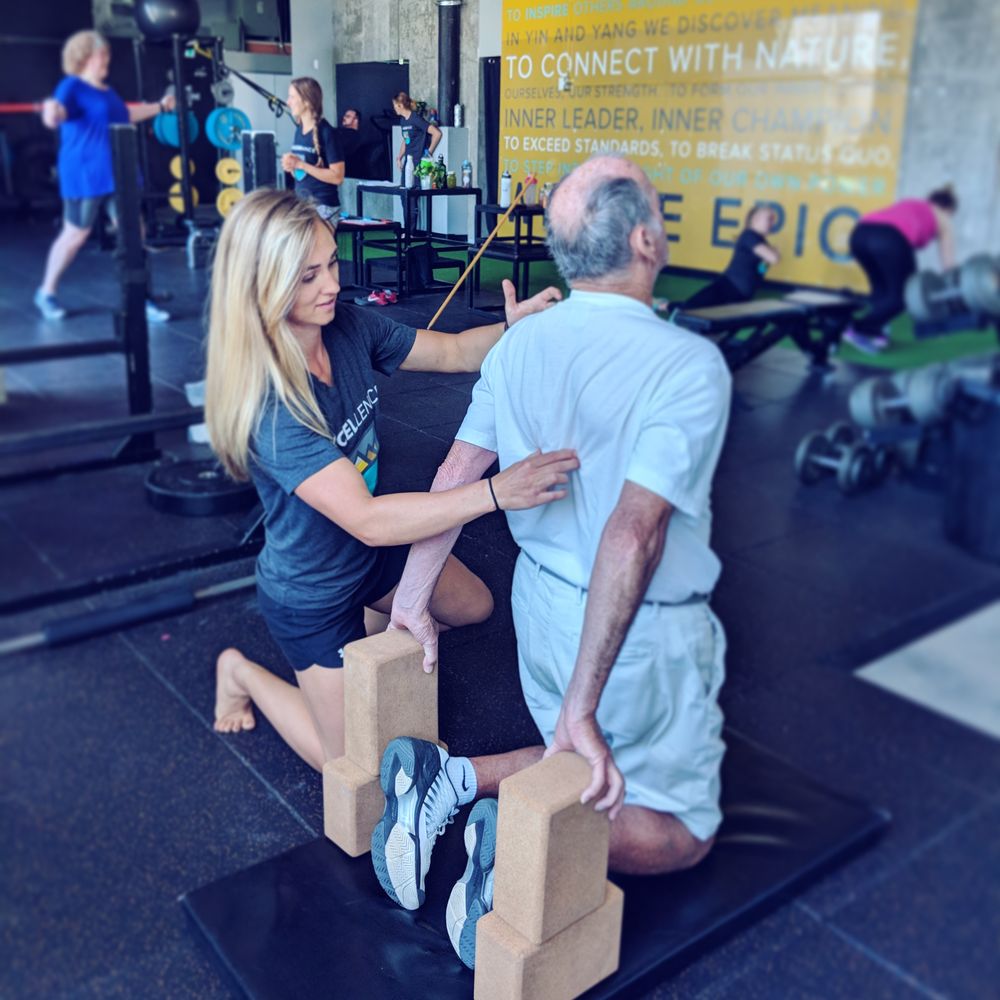

Showing up consistently is one of the most important parts of building a successful fitness routine. But what happens during a workout is only part of the bigger picture.
The body also needs enough energy and nutrients to support training, everyday responsibilities, recovery, and an active lifestyle.
Someone can follow a carefully structured exercise program and still feel as though every session is harder than it should be if the rest of their lifestyle does not support their training.
At Under The Bar, we believe sustainable fitness involves looking beyond individual workouts. For adults throughout Ottawa, Kanata, Nepean, Barrhaven, Orleans, Stittsville, and surrounding communities, everyday nutrition habits can influence how energetic, prepared, and consistent they feel.
This does not mean following an extreme diet, eliminating entire food groups, or trying to eat perfectly every day.
It means understanding that food is part of the foundation that helps support an active life.
Training Requires Energy
Exercise places additional demands on the body.
Whether someone is strength training, hiking, cycling, participating in recreational sports, or simply trying to become more active, the body requires energy to perform those activities.
When people dramatically restrict food while simultaneously increasing exercise, they may find themselves struggling with:
- Low energy
- Poor workout performance
- Difficulty concentrating
- Increased hunger
- Reduced motivation
A sustainable approach considers both sides of the equation.
Training creates demand.
Nutrition helps provide the resources needed to meet that demand.
Food Should Not Be Treated as Something Exercise Must Erase
One of the most damaging fitness mindsets is viewing exercise primarily as punishment for eating.
Someone enjoys dinner and believes they need to “burn it off” the following morning.
They eat dessert and feel obligated to perform extra cardio.
Over time, this can create an unhealthy relationship with both food and exercise.
At Under The Bar, we believe training should be about building capability.
People can exercise because they want to:
- Become stronger
- Move better
- Have more energy
- Support long-term health
- Enjoy recreational activities
- Feel more confident
Fitness does not need to be driven by guilt.
Protein Plays an Important Role
Protein receives plenty of attention in fitness conversations, and there is a reason for that.
It provides amino acids that the body uses for many functions, including maintaining and repairing tissues.
For people who train regularly, including protein as part of balanced meals can help support their overall nutrition.
Protein sources may include foods such as:
- Eggs
- Poultry
- Fish
- Meat
- Dairy products
- Beans
- Lentils
- Tofu
- Other plant-based foods
The appropriate choices depend on personal preferences, dietary needs, and lifestyle.
There is no requirement that healthy eating look identical for everyone.
Carbohydrates Are Not the Enemy
Carbohydrates have experienced an unusual reputation in fitness culture.
At various times, they have been blamed for nearly every nutrition problem.
But carbohydrates are an important source of energy.
Foods such as:
- Fruit
- Potatoes
- Rice
- Oats
- Whole grains
- Legumes
can all fit into balanced eating patterns.
For active people, carbohydrates can help provide energy for training and everyday activities.
Rather than fearing individual nutrients, it is generally more useful to look at overall eating habits.
Dietary Fats Have a Place Too
Fat is another nutrient that has gone through cycles of being labelled “good” or “bad.”
In reality, dietary fats are part of normal nutrition.
Foods such as nuts, seeds, avocado, fish, olive oil, and other sources can contribute to a varied diet.
Balanced nutrition is rarely about eliminating one macronutrient.
It is about finding an approach that provides adequate nutrition while remaining realistic enough to maintain.
Hydration Can Affect How a Workout Feels
People sometimes focus so heavily on food that they overlook hydration.
Water supports many normal functions throughout the body.
Fluid needs can also change depending on:
- Activity level
- Temperature
- Training intensity
- Individual factors
Ottawa’s seasonal extremes make this especially relevant.
A hot summer workout may create different hydration demands from a quiet winter day.
Building regular hydration habits can be simpler than trying to compensate after becoming noticeably thirsty.
Busy Professionals Often Need Practical Strategies
Nutrition advice sometimes assumes people have unlimited time to prepare meals.
That is rarely reality.
Professionals commuting between downtown Ottawa, Kanata, Nepean, Barrhaven, Orleans, Stittsville, and other parts of the region may be balancing work, family responsibilities, errands, and training.
Healthy eating needs to work within those circumstances.
Practical strategies may include:
- Planning several meals ahead
- Keeping simple foods available
- Preparing ingredients in batches
- Having convenient options for busy days
- Avoiding the expectation that every meal must be elaborate
Consistency becomes easier when nutrition fits real life.
Skipping Meals Can Make Evening Choices Harder
Busy days sometimes lead people to unintentionally go long periods without eating.
They may rush through breakfast, work through lunch, and arrive home extremely hungry.
At that point, making thoughtful food choices becomes considerably more difficult.
Regular eating patterns can help some people manage energy and hunger more comfortably throughout the day.
The goal is not following a rigid schedule.
It is recognizing how daily habits influence later decisions.
Pre-Workout Nutrition Does Not Need to Be Complicated
Fitness marketing can make pre-workout nutrition sound highly technical.
For many recreational exercisers, it does not need to be.
The goal is simply arriving at a workout feeling adequately fueled without feeling uncomfortably full.
What works best varies between individuals.
Some people prefer eating several hours before training.
Others may feel better with something lighter closer to their session.
Learning how the body responds can be more useful than blindly following someone else’s routine.
Post-Workout Meals Are Part of the Bigger Picture
There is often intense focus on consuming something immediately after a workout.
For most recreational fitness goals, overall daily nutrition remains extremely important.
A balanced meal following training can contribute protein, carbohydrates, fluids, and other nutrients as part of the day’s intake.
The bigger goal is creating consistent eating habits that support training over time.
Nutrition and Recovery Are Connected
Training creates a physical challenge.
Recovery allows the body to adapt.
Nutrition is one component of that recovery process.
But it does not work alone.
Recovery also involves factors such as:
- Sleep
- Stress management
- Appropriate training volume
- Rest
- Hydration
Someone cannot compensate for consistently poor sleep simply by improving one meal.
Fitness works best when the major pieces support one another.
Extreme Diets Can Make Consistency Difficult
Highly restrictive eating plans often look impressive on paper.
The problem is whether someone can realistically maintain them while:
- Working
- Traveling
- Raising a family
- Attending social events
- Celebrating holidays
- Living an ordinary life
If a nutrition strategy requires someone’s entire life to revolve around food rules, sustainability can become difficult.
A more flexible approach leaves room for real life.
Weekend Eating Is Still Part of the Week
Some people maintain extremely rigid habits Monday through Friday and then abandon all structure on weekends.
Others do the opposite and become so restrictive during the week that overeating later becomes much more likely.
A sustainable approach does not require dividing foods into “perfect” weekdays and “bad” weekends.
Instead, it focuses on patterns that can remain reasonably consistent across the entire week.
Nutrition Can Support Ottawa’s Active Lifestyle
Training is not the only activity that requires energy.
Ottawa residents may spend weekends:
- Hiking
- Cycling
- Paddling
- Skiing
- Skating
- Playing recreational sports
- Walking long distances
- Gardening
Adequate nutrition helps support these activities too.
Fitness should prepare people to enjoy their lives, and food helps fuel those experiences.
Healthy Eating Does Not Require Perfection
One meal rarely determines someone’s overall health or fitness progress.
Neither does one restaurant dinner, holiday celebration, birthday cake, or busy day.
Long-term patterns matter far more.
This perspective can remove much of the unnecessary anxiety surrounding food.
People can make nutritious choices regularly while still enjoying meals socially and culturally.
Sustainability requires flexibility.
Fitness Goals Should Not Turn Food Into a Source of Fear
When every meal becomes a mathematical calculation, healthy intentions can become exhausting.
Some people begin labeling foods as completely “clean” or “bad.”
But eating is more than fuel.
Food is also connected to:
- Culture
- Family
- Celebration
- Social life
- Enjoyment
A sustainable fitness lifestyle should be able to coexist with these experiences.
The objective is supporting health without allowing fitness to consume every aspect of life.
Personal Needs Are Different
There is no single meal plan that works perfectly for every person.
Nutrition needs can vary according to factors such as:
- Body size
- Activity level
- Training goals
- Food preferences
- Lifestyle
- Medical considerations
People with specific medical conditions, dietary restrictions, or therapeutic nutrition needs should seek appropriate guidance from qualified healthcare or nutrition professionals.
General fitness advice should never replace individualized medical care.
Avoiding the All-or-Nothing Trap
One of the most useful nutrition habits is learning how to continue after an imperfect choice.
Suppose someone has a busy afternoon and ends up eating differently than planned.
That does not require abandoning the rest of the day.
The next meal is simply another opportunity to return to normal habits.
This mindset mirrors successful training.
Missing one workout does not destroy fitness.
One meal does not destroy nutrition progress.
Consistency is built through returning to the routine.
The Under The Bar Approach
At Under The Bar, we believe fitness should support a healthier and more capable life.
Training is important, but it exists within a much larger picture that includes recovery, sleep, stress, everyday activity, and nutrition habits.
Our goal is to help clients throughout Ottawa and surrounding communities approach fitness with greater purpose rather than chasing extremes.
That means recognizing that progress is rarely created by one perfect workout or one perfect meal.
It comes from building sustainable habits that can be repeated.
Final Thoughts
Showing up for workouts matters.
But the body does not stop needing support when the training session ends.
Everyday nutrition and hydration habits can influence energy, recovery, consistency, and the ability to enjoy an active lifestyle.
For adults throughout Ottawa, Kanata, Nepean, Barrhaven, Orleans, Stittsville, and surrounding communities, the most practical approach is rarely an extreme diet.
It is learning how to fuel the body in a way that works alongside careers, families, recreation, and real life.
Training and nutrition do not need to compete.
When they support each other, fitness becomes easier to sustain.
Build a Fitness Routine That Works Beyond the Gym
If you are ready for a more purposeful approach to fitness, Under The Bar can help you build a training routine designed around your goals, lifestyle, and current abilities.
Our coaching focuses on helping clients develop sustainable habits and physical capability that can support them both inside and outside the gym.
Contact Under The Bar to learn more about personalized training in the Ottawa area.
📞 Call: (343) 800-LIFT
📧 Email: underthebarpro@gmail.com
Train with purpose. Fuel your active life. Build sustainable fitness with Under The Bar.