Introduction
Many people set fitness goals based on where they are today.
They may want to:
- Lose weight
- Build strength
- Improve endurance
- Increase energy
- Feel healthier
These are all worthwhile goals. However, one of the most important realities of fitness is that life is constantly changing.
Careers evolve. Families grow. Priorities shift. Responsibilities increase. Physical capabilities change. New opportunities and challenges emerge.
At Under The Bar, we work with individuals throughout Ottawa, Kanata, Nepean, Orleans, Barrhaven, and surrounding communities who often discover that the goals they had five years ago are not necessarily the goals that matter most today.
This is completely normal.
In fact, one of the keys to long-term success is learning how to adapt fitness goals to align with changing circumstances.
Fitness should evolve alongside life rather than remain fixed in one place.
In this article, we explore why evolving fitness goals leads to greater long-term success, how priorities naturally change over time, and why flexibility is essential for sustainable progress.
The Problem With Static Goals
Many people create goals with the expectation that those goals will remain unchanged forever.
For example:
- A university student may focus on athletic performance.
- A young professional may prioritize appearance.
- A parent may focus on energy and resilience.
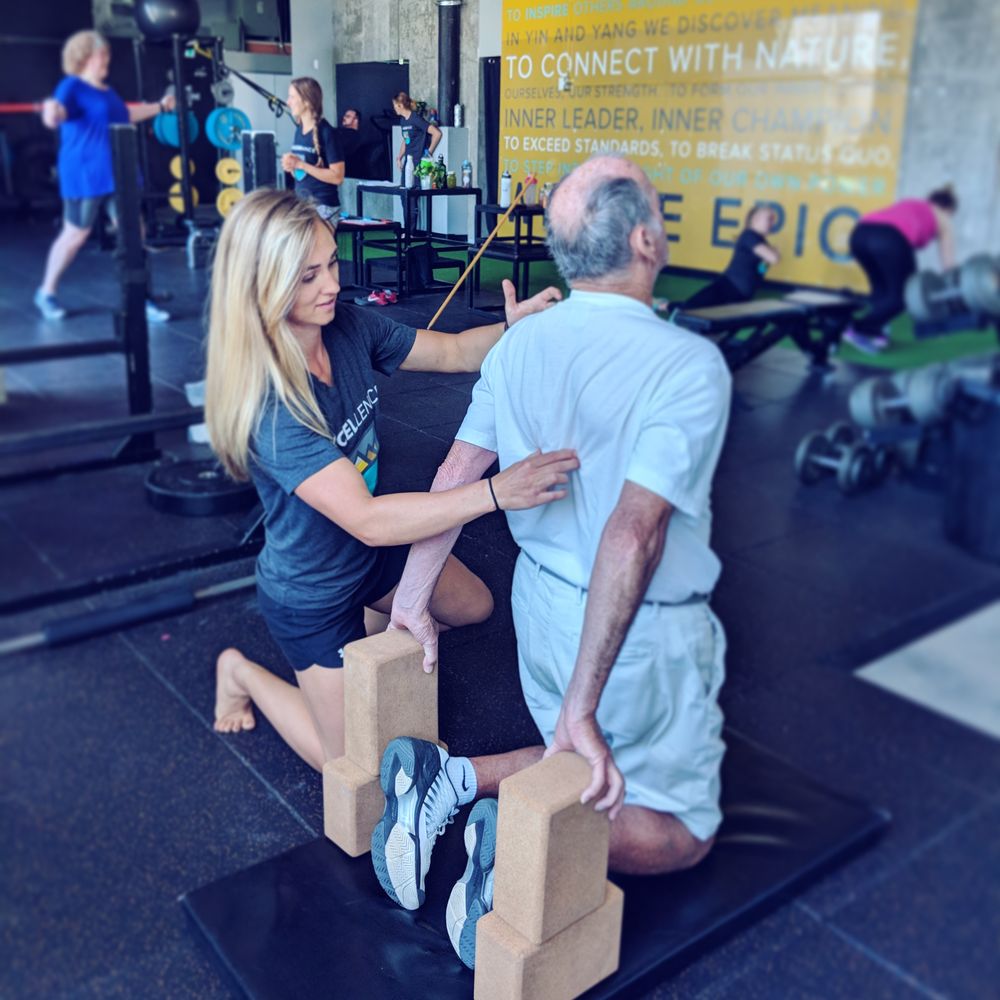
- An older adult may prioritize mobility and independence.
None of these goals are wrong.
The challenge arises when people try to force themselves to pursue goals that no longer match their current stage of life.
Fitness becomes much more effective when goals evolve naturally alongside changing needs.
Different Seasons of Life Require Different Priorities
Every stage of life brings unique demands.
Someone in their twenties may prioritize:
- Athletic development
- Competitive performance
- Physical challenges
Someone in their thirties and forties may focus more on:
- Managing stress
- Balancing work and family
- Maintaining consistency
As individuals move into later stages of life, priorities often shift toward:
- Mobility
- Longevity
- Joint health
- Functional strength
Fitness should support these changing priorities rather than ignore them.
Why Long-Term Success Requires Flexibility
Rigid thinking often leads to frustration.
Many individuals become discouraged because they compare themselves to a previous version of themselves.
For example:
- A new parent may compare current performance to pre-parenthood fitness levels.
- A busy executive may compare current training frequency to earlier years.
- Someone returning from injury may compare current capabilities to past achievements.
These comparisons rarely serve a productive purpose.
Long-term success comes from adapting rather than resisting change.
Fitness Is About Supporting Life
At Under The Bar, we believe fitness should enhance life.
The goal is not to build life around fitness.
The goal is to use fitness to support:
- Career performance
- Family activities
- Recreation
- Travel
- Overall well-being
As life changes, the role fitness plays may also change.
The most successful individuals learn to embrace this evolution.
Strength Remains Valuable at Every Stage
While goals may change, strength remains important throughout life.
Strength supports:
- Daily function
- Confidence
- Movement quality
- Physical resilience
- Independence
The way strength is trained may evolve, but its value remains constant.
This is one reason strength training remains a foundational component of many programs at Under The Bar.
Why Consistency Matters More Than Specific Goals
Many people become overly focused on outcomes.
While goals provide direction, consistency drives results.
Individuals who remain active for decades often succeed because they prioritize:
- Regular movement
- Sustainable habits
- Long-term commitment
Specific goals may change repeatedly, but consistency remains the common denominator.
The Importance of Reassessing Priorities
Life changes quickly.
Regularly reassessing priorities helps ensure fitness continues serving current needs.
Questions worth considering include:
- What do I want fitness to help me accomplish?
- What challenges am I currently facing?
- What activities matter most to me?
- How can training support my current lifestyle?
The answers may look very different than they did a few years ago.
That is perfectly normal.
Performance Looks Different for Everyone
Many people associate performance exclusively with sports.
In reality, performance means something different for every individual.
Performance may mean:
- Playing with grandchildren
- Completing a long hike
- Improving work productivity
- Recovering more effectively
- Maintaining an active lifestyle
Defining performance personally helps create meaningful goals.
Why Sustainable Progress Wins
Short-term results can be exciting.
Long-term progress is transformative.
The individuals who achieve the greatest success often focus on:
- Small improvements
- Consistent habits
- Long-term thinking
- Sustainable routines
These strategies continue producing benefits regardless of changing circumstances.
Fitness During Busy Periods
Many Ottawa professionals experience periods when life becomes particularly demanding.
During these times, fitness goals may need adjustment.
For example:
- Training frequency may decrease temporarily.
- Workouts may become shorter.
- Recovery may become a higher priority.
Adjusting goals does not mean abandoning progress.
It means adapting intelligently.
Mobility and Longevity Become Increasingly Important
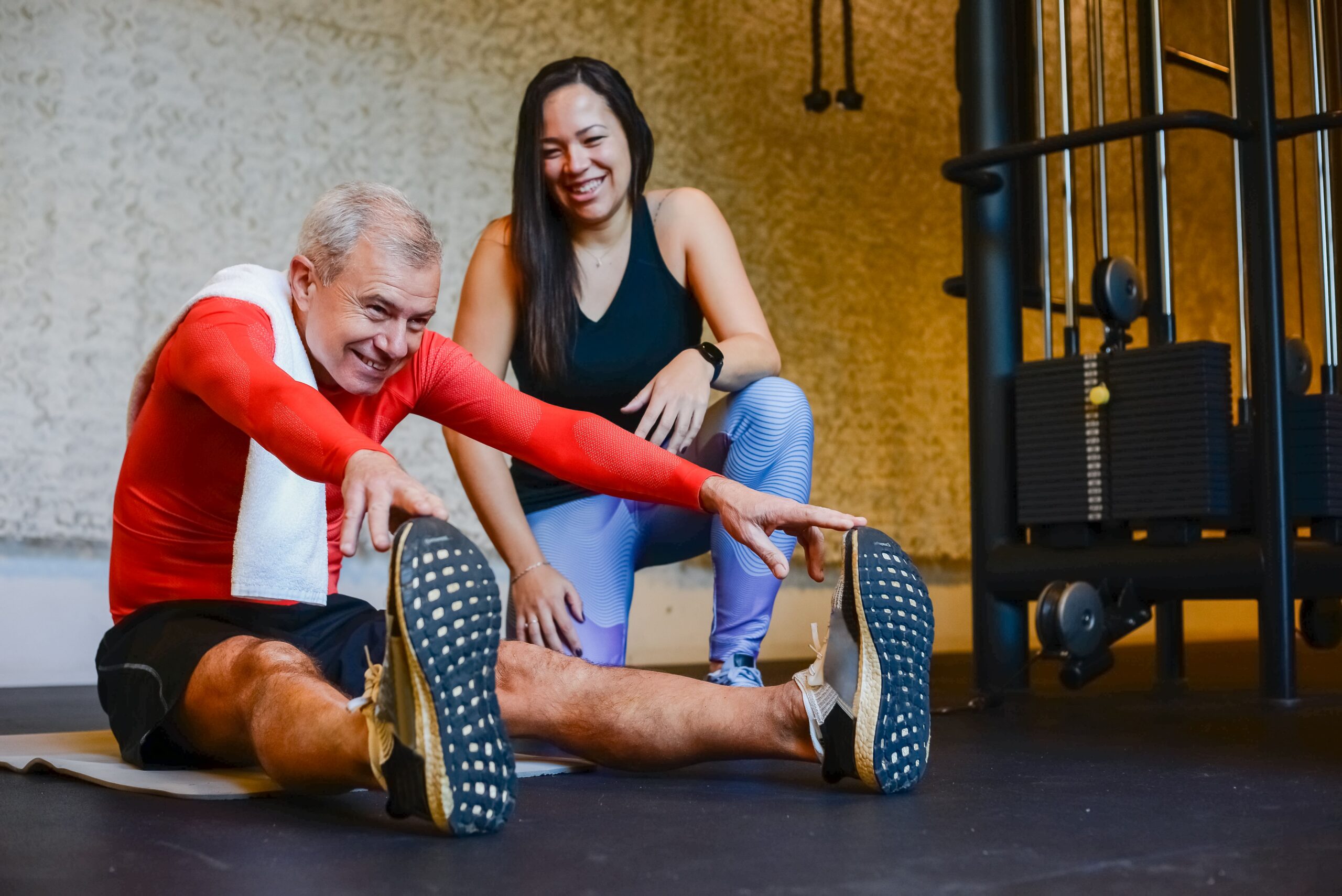
As people age, mobility often becomes a greater focus.
Improved mobility supports:
- Better movement quality
- Joint health
- Physical comfort
- Long-term activity
Many adults eventually recognize that moving well is just as important as being strong.
This realization often shifts how training is approached.
Why Comparison Is Unhelpful
One of the biggest obstacles to evolving goals is comparison.
People compare themselves to:
- Their younger selves
- Friends
- Social media
- Athletes
Meaningful progress should be measured against personal circumstances and personal goals.
Fitness is most rewarding when it reflects individual priorities.
Ottawa’s Active Lifestyle Encourages Adaptability
Residents throughout Ottawa, Kanata, Orleans, Nepean, and Barrhaven enjoy a wide range of activities.
As interests evolve, training may shift to support:
- Hiking
- Cycling
- Recreational sports
- Travel
- Family activities
Adaptable fitness supports these changing interests while maintaining overall health and performance.
The Under The Bar Approach
At Under The Bar, we help clients build training programs that evolve with them.
Our coaching emphasizes:
- Strength development
- Movement quality
- Long-term health
- Sustainable progress
- Individualized goals
We recognize that fitness is a lifelong journey, not a temporary project.
Final Thoughts
Fitness goals should never remain frozen in time.
As life changes, goals should evolve to support new priorities, responsibilities, and opportunities.
The most successful individuals are not those who pursue the same goal forever.
They are those who adapt while maintaining consistent commitment to their health and well-being.
For adults throughout Ottawa and surrounding communities, evolving goals create a more sustainable and rewarding fitness journey.
Call-to-Action
Ready to build a training plan that supports your current goals and evolves with your lifestyle?
Contact Under The Bar today and discover how personalized coaching can help you stay strong, active, and confident at every stage of life.
📞 Call: (343) 800-LIFT
📧 Email: underthebarpro@gmail.com
Train with purpose at Under The Bar and build fitness that grows with you.