Introduction
Many people think progress happens only during workouts.
They focus on:
- Lifting weights
- Completing conditioning sessions
- Increasing training volume
- Working harder each week
While training is essential, it is only part of the equation.
At Under The Bar, we regularly remind clients throughout Ottawa, Kanata, Nepean, Orleans, Barrhaven, and surrounding communities that progress does not happen exclusively during exercise. Real adaptation occurs during recovery.
Unfortunately, recovery is often misunderstood.
Some people assume recovery means doing absolutely nothing. Others believe they should continue pushing through fatigue regardless of how their body feels.
The reality lies somewhere in the middle.
One of the most effective strategies for long-term progress is active recovery.
When implemented properly, active recovery helps individuals stay consistent, improve movement quality, reduce stiffness, support performance, and maintain energy levels throughout the week.
In this article, we explore what active recovery really means, why it matters, and how it supports sustainable fitness success.
Understanding Recovery Beyond Rest Days
Recovery is often viewed as a break from fitness.
In reality, recovery is an active component of progress.
The body needs time to:
- Repair tissues
- Restore energy systems
- Adapt to training demands
- Improve performance
Without recovery, the body struggles to keep up with the stress being applied through training.
This is why recovery should be viewed as part of the program rather than a break from it.
What Is Active Recovery?
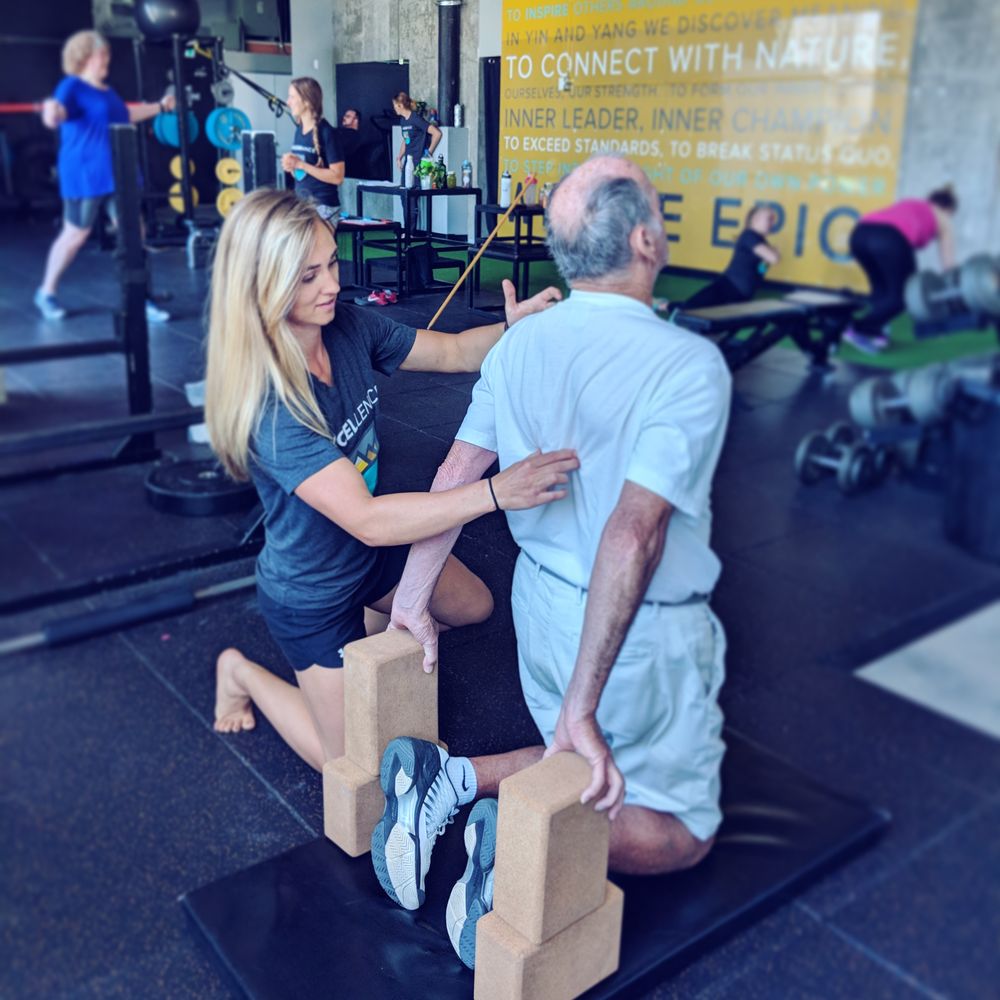
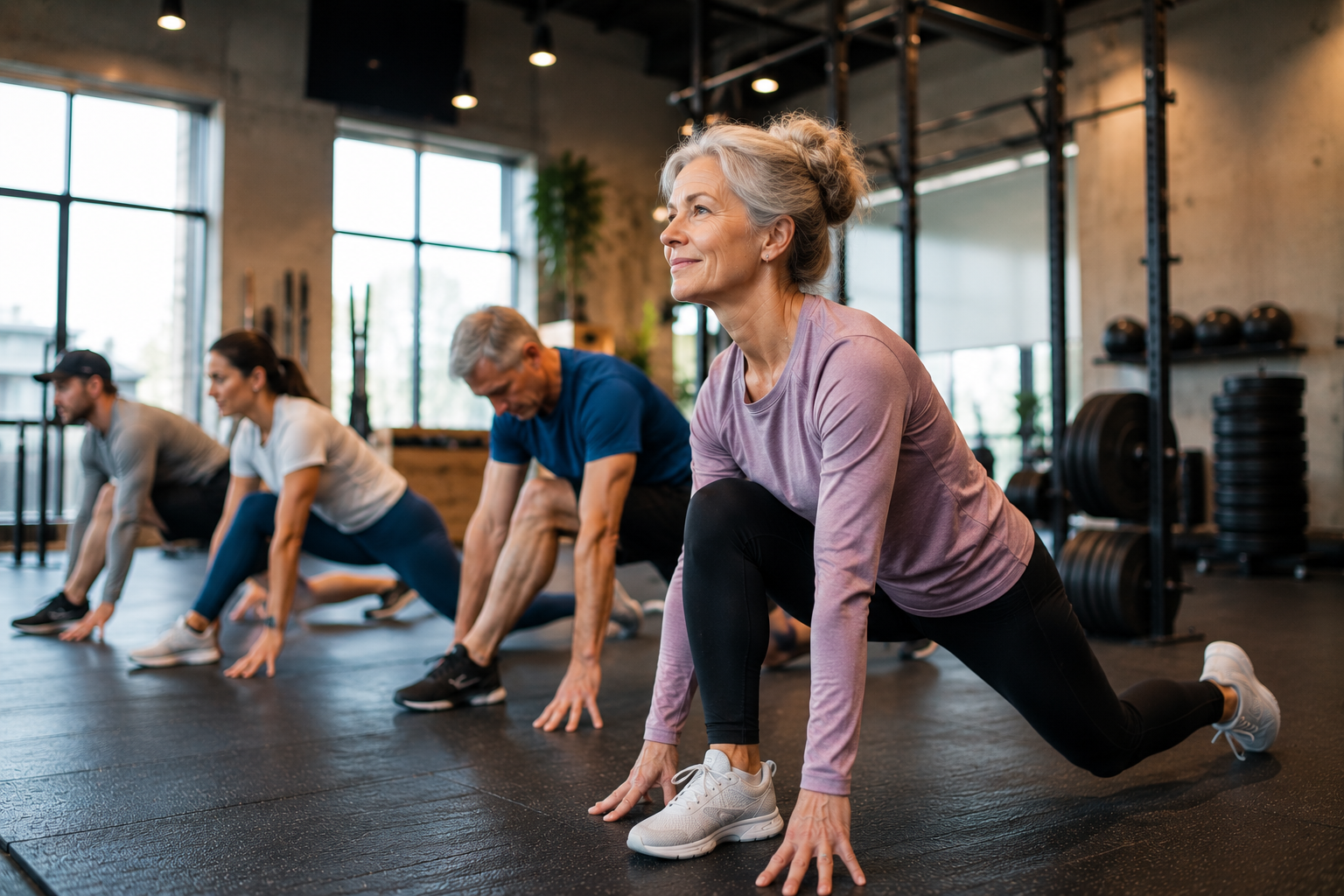
Active recovery involves low-intensity movement designed to promote circulation and support recovery without creating significant additional fatigue.
Examples include:
- Walking
- Light cycling
- Mobility work
- Stretching
- Easy rowing
- Recreational movement
The goal is not performance.
The goal is recovery.
Active recovery encourages movement while allowing the body to restore itself.
Why Complete Inactivity Is Not Always Ideal
Many people assume the best recovery strategy is sitting still.
While complete rest has its place, prolonged inactivity can sometimes contribute to:
- Stiffness
- Reduced circulation
- Joint discomfort
- Lower energy levels
Gentle movement often helps individuals feel better physically and mentally.
This is especially true for people who spend much of their day sitting at work.
Ottawa Professionals Face Unique Recovery Challenges
Many adults throughout Ottawa work in environments that involve:
- Desk work
- Long meetings
- Commuting
- Screen time
Even though these activities may not seem physically demanding, they often contribute to:
- Tight hips
- Reduced mobility
- Neck tension
- Lower back discomfort
Active recovery helps counteract some of these effects by encouraging regular movement.
Improved Circulation Supports Recovery
Movement increases blood flow throughout the body.
Improved circulation helps transport:
- Oxygen
- Nutrients
- Recovery-supporting compounds
to working tissues.
This process may help reduce feelings of stiffness and improve overall recovery quality.
Many individuals report feeling noticeably better after light movement compared to complete inactivity.
Active Recovery Supports Mobility
Mobility tends to decrease when people spend long periods in fixed positions.
Active recovery sessions often include mobility-focused exercises that help maintain:
- Joint range of motion
- Movement quality
- Flexibility
- Physical comfort
At Under The Bar, mobility remains an important component of long-term performance.
Recovery Helps Prevent Burnout
One of the biggest reasons people struggle with consistency is burnout.
Burnout often develops when individuals:
- Train too aggressively
- Ignore fatigue
- Underestimate recovery needs
Eventually motivation declines, performance drops, and training becomes difficult to sustain.
Active recovery helps create balance.
This balance supports long-term consistency.
Mental Recovery Matters Too
Recovery is not only physical.
Training places demands on:
- Focus
- Motivation
- Stress management
- Mental energy
Active recovery provides an opportunity to step away from intense effort while still maintaining positive habits.
Many individuals find recovery days refreshing rather than restrictive.
Why Walking Remains Underrated
Walking is one of the simplest and most effective recovery tools available.
Benefits may include:
- Increased circulation
- Reduced stiffness
- Improved mood
- Better energy levels
- Stress reduction
Many adults throughout Ottawa overlook walking because it seems too simple.
However, simplicity often works remarkably well.
Active Recovery Supports Better Training Sessions
Recovery days are designed to improve future workouts.
When recovery is prioritized, individuals often experience:
- Better performance
- Improved focus
- Increased energy
- Better movement quality
Rather than slowing progress, recovery often accelerates it.
The Relationship Between Recovery and Longevity
Fitness is most valuable when it can be maintained for years.
Long-term success depends on balancing:
- Training stress
- Recovery capacity
- Lifestyle demands
Individuals who recover effectively are often able to train consistently for much longer periods.
This creates better results over time.
Why Adults Over 30 Benefit Significantly
As adults get older, recovery becomes increasingly important.
Recovery strategies help support:
- Joint health
- Movement quality
- Energy management
- Training consistency
This does not mean older adults should train less.
It means recovery should become more intentional.
Active Recovery Helps Maintain Momentum
One common challenge is maintaining healthy habits during rest periods.
Active recovery helps individuals stay engaged with their fitness journey without creating excessive fatigue.
Movement remains part of the routine.
This continuity often improves long-term adherence.
Recovery Is a Skill
Many people spend years learning how to train.
Few spend time learning how to recover effectively.
Recovery requires:
- Awareness
- Planning
- Consistency
- Patience
Developing strong recovery habits often produces significant improvements in overall performance.
Ottawa’s Active Lifestyle Benefits From Recovery
Residents throughout Ottawa, Kanata, Orleans, Nepean, and Barrhaven often enjoy:
- Hiking
- Cycling
- Running
- Recreational sports
- Outdoor activities
Recovery helps individuals continue participating in these activities while maintaining physical resilience.
The Under The Bar Approach
At Under The Bar, we believe recovery is part of training.
Our coaching philosophy emphasizes:
- Structured progression
- Intelligent recovery
- Movement quality
- Long-term sustainability
- Consistent performance
We help clients train hard while also recovering effectively.
Final Thoughts
Active recovery is not about doing less.
It is about supporting the body so it can continue performing at a high level.
When recovery becomes intentional, individuals often experience better movement, improved energy, enhanced consistency, and greater long-term success.
For adults throughout Ottawa and surrounding communities, active recovery is one of the most valuable tools for building sustainable fitness progress.
Call-to-Action
Ready to build a smarter approach to training and recovery?
Contact Under The Bar today and discover how structured coaching can help you train effectively, recover properly, and stay consistent for the long term.
📞 Call: (343) 800-LIFT
📧 Email: underthebarpro@gmail.com
Train with purpose at Under The Bar and build lasting results through balanced, sustainable fitness.