Life rarely stays the same for very long.
Careers become more demanding. Families grow. Schedules change. People move into different stages of adulthood, discover new recreational interests, recover from periods of inactivity, or simply realize that what worked for them several years ago no longer feels right.
Yet many people continue approaching fitness as though their training routine should remain unchanged indefinitely.
At Under The Bar, we believe a successful fitness program should evolve alongside the person following it. Adults throughout Ottawa, Kanata, Nepean, Barrhaven, Orleans, Stittsville, and surrounding communities have different responsibilities, abilities, interests, and priorities at different stages of life.
A workout routine that worked perfectly at 25 may not be the best approach at 40 or 55. A program designed around recreational sports may need to change when career demands increase. Someone who once trained primarily for appearance may eventually become more interested in mobility, energy, strength, or staying physically independent as they age.
Changing a fitness routine is not a sign that something has gone wrong.
Often, it is exactly what allows someone to continue progressing.
Fitness Should Support Life, Not Compete With It
One of the most important principles of sustainable fitness is recognizing that training exists to improve life.
Life should not constantly have to reorganize itself around exercise.
For someone with a flexible schedule, four or five weekly training sessions may be realistic. For a busy parent or professional, two or three focused sessions may make far more sense.
Both approaches can be successful.
The important question is whether the program fits the person’s current circumstances.
At Under The Bar, we help clients develop realistic training strategies rather than expecting them to maintain schedules that no longer match their lives.
Your Goals Will Naturally Change
Fitness goals are not permanent.
Someone may initially begin exercising because they want to change their body composition. After developing a consistent routine, their priorities may shift toward becoming stronger.
Later, their goals might include:
- Improving mobility
- Having more energy
- Preparing for recreational activities
- Maintaining muscle
- Moving comfortably
- Supporting healthy aging
- Staying active with family
These changing goals require different training priorities.
A program should evolve accordingly.
Career Changes Can Affect Training
Ottawa is home to professionals working across government, technology, healthcare, education, construction, entrepreneurship, and many other industries.
Different careers place different demands on the body.
Someone working long hours at a desk may benefit from training that addresses limited daily movement, while someone performing physically demanding work may require a different balance between training and recovery.
Career changes can also affect available time and energy.
A thoughtful fitness program accounts for these realities rather than ignoring them.
Becoming Busier Does Not Mean Giving Up Fitness
One of the most common mistakes people make during busy periods is abandoning exercise entirely.
They assume that if they cannot maintain their previous routine, there is little point in training.
But fitness does not need to be all or nothing.
A temporary adjustment might mean:
- Shorter sessions
- Fewer weekly workouts
- Greater emphasis on compound movements
- More walking
- Simplified programming
Maintaining a realistic routine is usually more valuable than repeatedly stopping and restarting.
Age Changes Priorities, Not Potential
Getting older does not mean becoming incapable.
However, training priorities may naturally evolve.
Recovery, mobility, movement quality, balance, and maintaining muscle can become increasingly important.
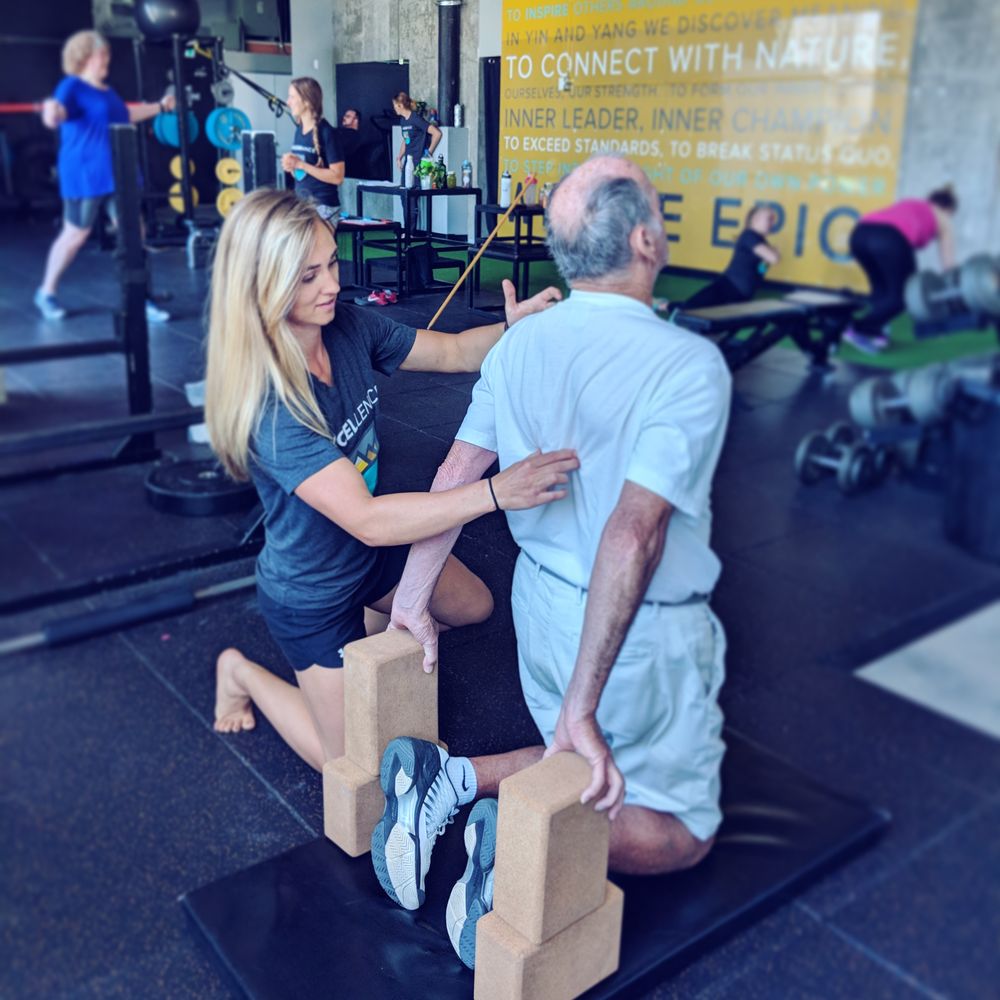
A well-designed program recognizes these changes while continuing to challenge the individual appropriately.
At Under The Bar, we believe adults should continue developing physical capability throughout life rather than assuming decline is inevitable.
Recovery Needs Can Change
Recovery capacity is influenced by much more than age.
Sleep, stress, work demands, nutrition, family responsibilities, and overall activity levels all affect how someone responds to training.
A program that feels manageable during a quiet period may suddenly feel excessive during a demanding season at work.
Recognizing this does not mean lowering standards.
It means training intelligently.
Adjusting intensity or volume temporarily can help maintain consistency while allowing the body to recover.
Training Should Reflect What You Enjoy Doing
One of the best reasons to become fit is to enjoy more of life.
Ottawa and the surrounding region offer countless opportunities for recreation.
People may enjoy:
- Cycling
- Hiking
- Golf
- Skiing
- Paddling
- Running
- Recreational sports
- Walking
- Outdoor adventures
Training can be adapted to complement these activities.
Someone preparing for hiking season may have different priorities than someone who enjoys golf or recreational hockey.
Fitness becomes more meaningful when it improves the activities people genuinely enjoy.
Seasons Can Influence Training Too
Living in Ottawa means experiencing dramatically different seasons.
Summer may involve cycling, hiking, paddling, gardening, or outdoor sports.
Winter may bring skiing, skating, snowshoeing, or simply fewer opportunities for spontaneous outdoor activity.
Training can change throughout the year to complement these seasonal differences.
A flexible approach keeps fitness interesting while supporting the body’s changing demands.
Previous Injuries May Require Adaptation
Past injuries can influence movement even years later.
That does not necessarily mean someone should avoid exercise.
Instead, programming may need thoughtful modifications.
Personalized coaching helps identify appropriate exercises and progressions based on the individual’s abilities and movement quality.
The goal is not to force everyone into identical movements.
The goal is to find effective ways for each person to progress.
Progress Sometimes Means Changing Direction
People often assume progress means continuously increasing:
- Weight
- Repetitions
- Workout frequency
- Training intensity
But progress can take many forms.
Sometimes progress means improving technique.
Sometimes it means restoring mobility.
Sometimes it means maintaining strength during an extremely busy period.
And sometimes it means discovering a completely new fitness goal.
Progress should be measured according to what matters at that stage of life.
Variety Can Restore Motivation
Doing exactly the same routine indefinitely can become mentally exhausting.
Even an effective program may eventually feel stale.
Strategic changes can introduce new challenges without turning training into random exercise.
New movements, training goals, rep ranges, or recreational objectives can restore enthusiasm while maintaining structure.
The key is purposeful variety rather than constant change for its own sake.
Fitness After a Long Break Requires a Different Strategy
Many adults return to exercise after months or even years away.
One common mistake is attempting to resume exactly where they stopped.
The body may need time to rebuild:
- Movement confidence
- Work capacity
- Technique
- Strength
- Consistency
A gradual return is usually more sustainable.
There is no need to prove anything during the first few weeks.
The goal is to establish momentum.
Parenthood Often Changes Fitness Priorities
Parents throughout Kanata, Barrhaven, Nepean, Orleans, Stittsville, and Ottawa frequently balance work, childcare, school schedules, activities, and household responsibilities.
Finding time for fitness can become challenging.
But becoming stronger and more energetic may also become more valuable.
Training can help parents feel physically prepared for everything from carrying children and groceries to enjoying active weekends as a family.
A realistic routine recognizes that parents may need flexibility.
Retirement Can Open a New Fitness Chapter
Retirement often creates an opportunity to reconsider physical health.
With fewer workplace demands, many adults become interested in:
- Traveling
- Golfing
- Gardening
- Hiking
- Playing with grandchildren
- Staying independent
Fitness can support all of these goals.
This stage of life can be an opportunity to build capability rather than simply maintain it.
Your Program Should Grow With You
The most successful fitness program is rarely one someone follows unchanged forever.
It is a program that continues adapting.
At Under The Bar, we believe training should reflect the individual standing in front of us today—not who that person was five years ago.
That means considering current:
- Goals
- Schedule
- Strength
- Mobility
- Experience
- Recovery
- Lifestyle
- Interests
Personalization allows fitness to remain relevant.
The Under The Bar Approach
At Under The Bar, we focus on helping people build sustainable fitness that works in real life.
Our approach emphasizes purposeful programming, quality movement, appropriate progression, coaching, accountability, and long-term development.
For clients throughout Ottawa and surrounding communities, that means recognizing that fitness is not a temporary challenge.
It is something that can evolve across decades.
As circumstances change, training can change too.
What remains consistent is the commitment to becoming capable, confident, and physically prepared for life.
Final Thoughts
There is no single workout routine that perfectly fits every stage of life.
What worked several years ago may no longer suit today’s responsibilities, interests, or goals—and that is completely normal.
Sustainable fitness requires flexibility.
By adapting training to changing schedules, recreational interests, recovery needs, family responsibilities, and long-term priorities, adults can continue making meaningful progress without feeling trapped by an outdated routine.
For people throughout Ottawa, Kanata, Nepean, Barrhaven, Orleans, Stittsville, and surrounding communities, the goal should not be finding one perfect fitness routine and following it forever.
The goal is developing an approach that can grow with them.
Ready for Training That Fits Where You Are Today?
If your current fitness routine no longer matches your goals, lifestyle, or abilities, it may be time for a more personalized approach.
Contact Under The Bar to learn how our coaching can help you develop a training program designed around your current needs while preparing you for where you want to go next.
📞 Call: (343) 800-LIFT
📧 Email: underthebarpro@gmail.com
Train with purpose. Adapt with confidence. Build fitness that continues working through every stage of life with Under The Bar.