Introduction
Many people believe that simply exercising more will automatically improve the way their body moves.
They assume:
- More workouts will fix stiffness
- More activity will improve posture
- More training will solve discomfort
But for many individuals across Ottawa, Kanata, Nepean, and Orleans, the opposite happens. They stay active, yet continue experiencing tightness, instability, recurring discomfort, or inefficient movement patterns.
At Under The Bar, we see this often.
The issue is not always a lack of activity — it is a lack of intentional movement training.
Poor movement patterns do not automatically correct themselves through exercise alone. Without proper coaching, structure, and awareness, the body often continues compensating in the same inefficient ways.
In this article, we explain why movement quality matters, how poor movement patterns develop, and how structured coaching helps individuals move better, feel stronger, and reduce long-term limitations.
What Are Movement Patterns?
Movement patterns are the body’s fundamental ways of moving.
These include:
- Squatting
- Hinging
- Pushing
- Pulling
- Rotating
- Carrying
Everyday life depends on these patterns.
When movement quality is poor, the body compensates by placing stress on the wrong muscles or joints.
Over time, this creates inefficiency and discomfort.
Why Activity Alone Doesn’t Solve the Problem
Many individuals stay active but continue moving poorly.
This happens because:
- Repetition reinforces habits
- The body adapts to compensation
- Weak areas stay weak
- Mobility limitations remain unaddressed
Without correcting movement mechanics, the body simply becomes better at compensating.
Common Signs of Poor Movement Patterns
At Under The Bar in Ottawa, common indicators include:
- Knees collapsing inward during squats
- Rounded shoulders during pressing movements
- Lower back overcompensation
- Limited hip mobility
- Poor posture during daily movement
These issues often appear gradually over time.
Why Compensation Patterns Develop
The body always finds a way to complete movement.
If one area lacks:
- Strength
- Stability
- Mobility
another area compensates.
For example:
- Tight hips may create lower back strain
- Weak glutes may affect knee stability
- Limited shoulder mobility may stress the neck
Compensation helps short-term but creates problems long-term.
The Role of Mobility in Movement Quality
Mobility allows joints to move properly through full ranges of motion.
Without adequate mobility:
- Movement becomes restricted
- Technique suffers
- Stress shifts to other areas
At Under The Bar, mobility is integrated into training rather than treated separately.
Strength Stabilizes Movement
Mobility alone is not enough.
Strength provides:
- Joint stability
- Movement control
- Better load distribution
- Improved coordination
The combination of mobility and strength creates efficient movement.
Why Technique Coaching Matters
Many people are unaware of how they move.
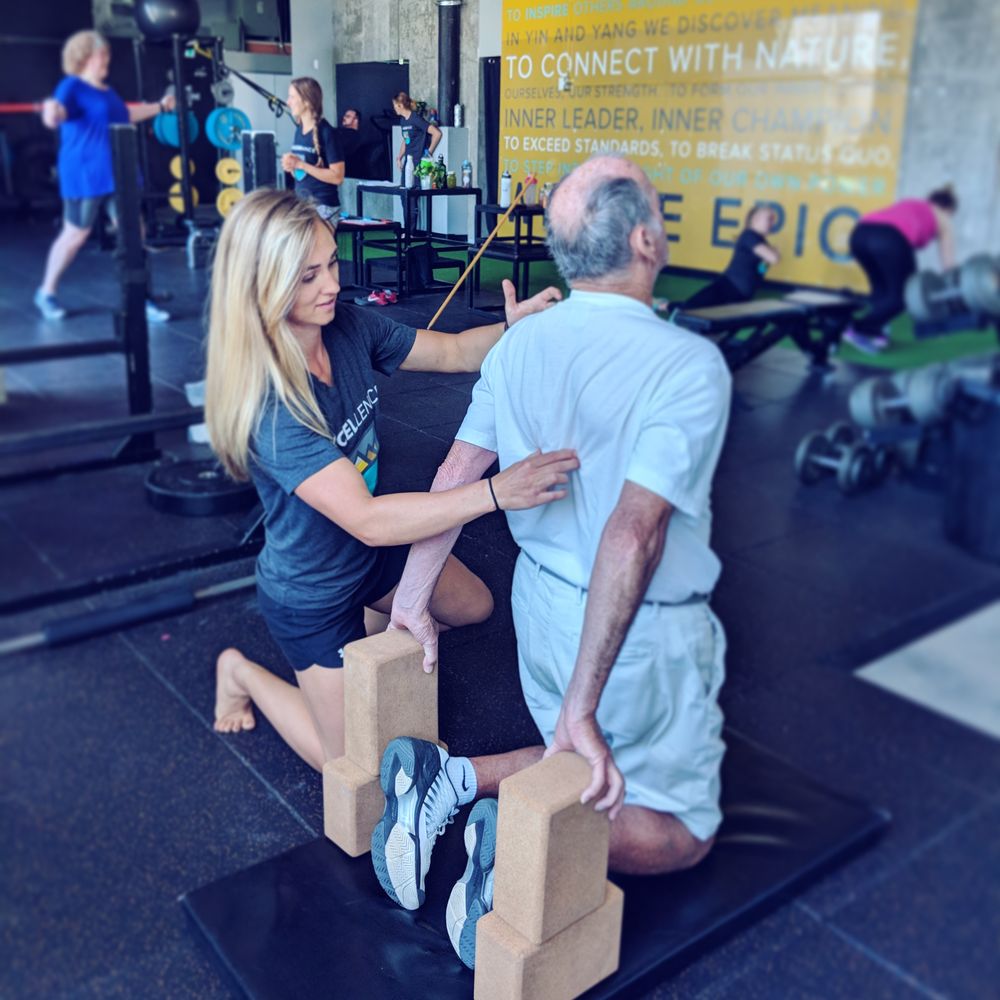
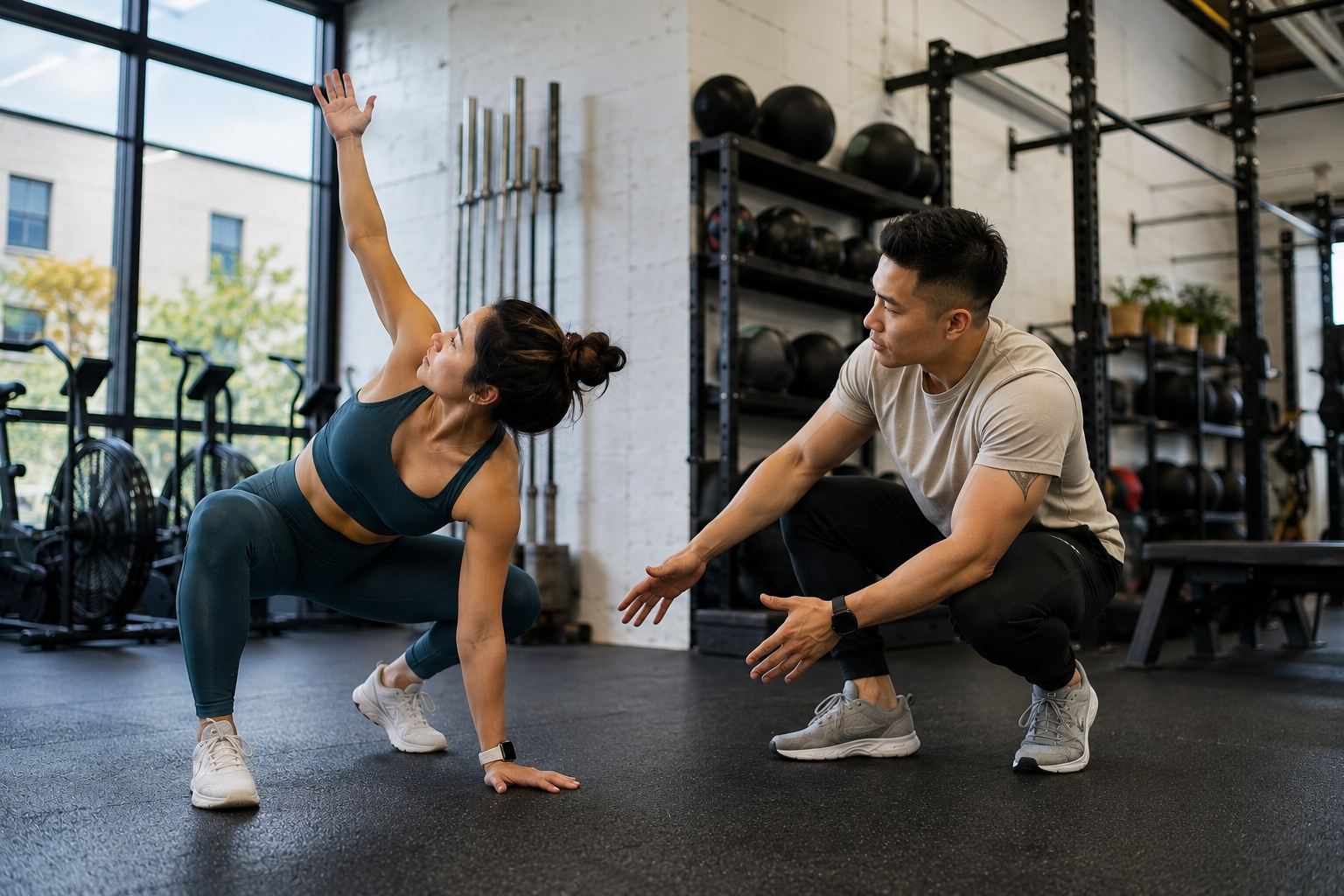
Coaching provides:
- Real-time correction
- Movement feedback
- Positioning adjustments
- Breathing and bracing guidance
Small technical changes often create major improvements.
How Poor Movement Affects Daily Life
Movement limitations extend beyond the gym.
Poor movement patterns can affect:
- Sitting posture
- Walking mechanics
- Carrying objects
- Climbing stairs
- Daily energy levels
Movement quality influences overall quality of life.
Why Ottawa Lifestyles Contribute to Movement Problems
Many Ottawa professionals spend long hours:
- Sitting at desks
- Driving
- Working in fixed positions
This contributes to:
- Tight hips
- Rounded shoulders
- Weak core engagement
- Reduced mobility
Structured movement training helps reverse these patterns.
The Importance of Core Stability
Core stability supports all movement.
A stable core improves:
- Posture
- Balance
- Force transfer
- Spinal support
At Under The Bar, core training is integrated into every program.
Why Random Workouts Often Reinforce Problems
Without proper guidance, workouts may reinforce poor movement.
Individuals often:
- Prioritize intensity over technique
- Rush movements
- Ignore positioning
- Train through compensation
This increases long-term stress on the body.
The Long-Term Benefits of Better Movement
When movement quality improves, individuals experience:
- Reduced discomfort
- Better posture
- Improved strength output
- Increased mobility
- Greater confidence in movement
The body becomes more efficient and resilient.
Who Benefits Most From Movement-Focused Training
This approach is especially beneficial for:
- Adults over 30
- Busy professionals
- Individuals returning to fitness
- People experiencing stiffness or discomfort
- Recreational athletes
Movement quality supports every level of training.
The Mental Impact of Moving Better
Improved movement also affects confidence.
Individuals often feel:
- More capable
- More comfortable in their body
- Less hesitant during activity
- More motivated to stay active
Confidence grows when movement improves.
The Under The Bar Approach
At Under The Bar in Ottawa, we focus on:
- Movement quality first
- Strength with purpose
- Mobility integration
- Technical coaching
- Long-term function
We train individuals to move better — not just exercise more.
Final Thoughts
Training alone does not automatically improve movement.
Without proper coaching and structure, poor patterns often continue beneath the surface.
By improving movement quality, individuals build stronger foundations, reduce unnecessary strain, and improve long-term performance.
For individuals across Ottawa, this creates lasting physical confidence and resilience.
Call-to-Action
If you’re ready to improve the way your body moves and train with purpose in Ottawa, we’re here to help.
📞 Call: (343) 800-LIFT
📧 Email: underthebarpro@gmail.com
Train with purpose at Under The Bar and build movement quality that supports strength, performance, and long-term health.