Introduction
Winter in Ottawa is more than just a season — it’s an environment that shapes how we live, move, and train. The cold settles in, the snow starts to build, and the days shrink into darkness far earlier than we’d like. Most people slow down, skip workouts, and fall out of routine until January comes around. But not me — and not my members at Under The Bar.
I’ve come to see winter not as a barrier, but as an advantage. In fact, some of the strongest progress I see from my Ottawa clients happens during December and the months that follow. Strength, discipline, and resilience thrive in conditions where excuses are easy and commitment is rare. That’s why I use winter as a strategic training season — and why I encourage you to do the same.
Today, I’m going to outline exactly how I approach winter strength training here in Ottawa, how you can use the season to your benefit, and how Under The Bar provides the structure and accountability to help you succeed all winter long.
Why Winter Training Matters More Than You Think
1. Winter builds discipline — and discipline builds strength.
Anyone can train in the summer. Anyone can hit their goals when the weather’s perfect, when the sun rises early, and when the Ottawa pathways are buzzing with activity.
But winter? Winter is where commitment is tested.
When you choose to train through freezing mornings, unpredictable weather, or low energy, you build a kind of discipline that sticks with you. It becomes part of your character. And that shows up in your strength — physically and mentally.
I see it every year: the athletes who train consistently from December through February show the most dramatic transformation by spring.
2. Ottawa winters naturally support strength-building cycles.
Winter here forces us indoors, slows life down, and creates pockets of time that many people overlook. That slower pace, fewer outdoor commitments, and longer nights equal a unique opportunity for structured strength training.
Why it works so well:
- Your recovery improves because you naturally rest more.
- Indoor training environments offer consistency without weather interruptions.
- You spend less time doing high-impact outdoor activities, giving the joints a break.
- You can focus deeply on technique, mobility, and controlled strength blocks.
In cold climates like ours, winter is the perfect time to build your foundation — the strength base that will support everything you do once spring and summer return.
3. Winter training boosts physical safety in cold climates.
Living in Ottawa means dealing with:
- Snow shoveling
- Ice-covered sidewalks
- Slippery driveways
- Heavy winter clothing
- Awkward daily tasks in freezing weather
Strength protects you from all of it.
A strong back, strong legs, stable core, and good mobility reduce your risk of winter-related injuries. Shoveling becomes easier, slipping becomes less likely, and your joints handle cold-weather strain more effectively.
Strength training literally makes winter safer.
How I Structure an Optimal Winter Training Plan
To take advantage of Ottawa’s seasonal rhythm, I design my winter training blocks with clear structure, intention, and progression. Here’s how I approach it:
Phase 1: Reset, Mobilize, and Rebuild Technique
Winter begins with recalibration.
I start the season by looking at:
- Mobility restrictions
- Postural habits
- Joint health
- Movement mechanics
- Breathing patterns
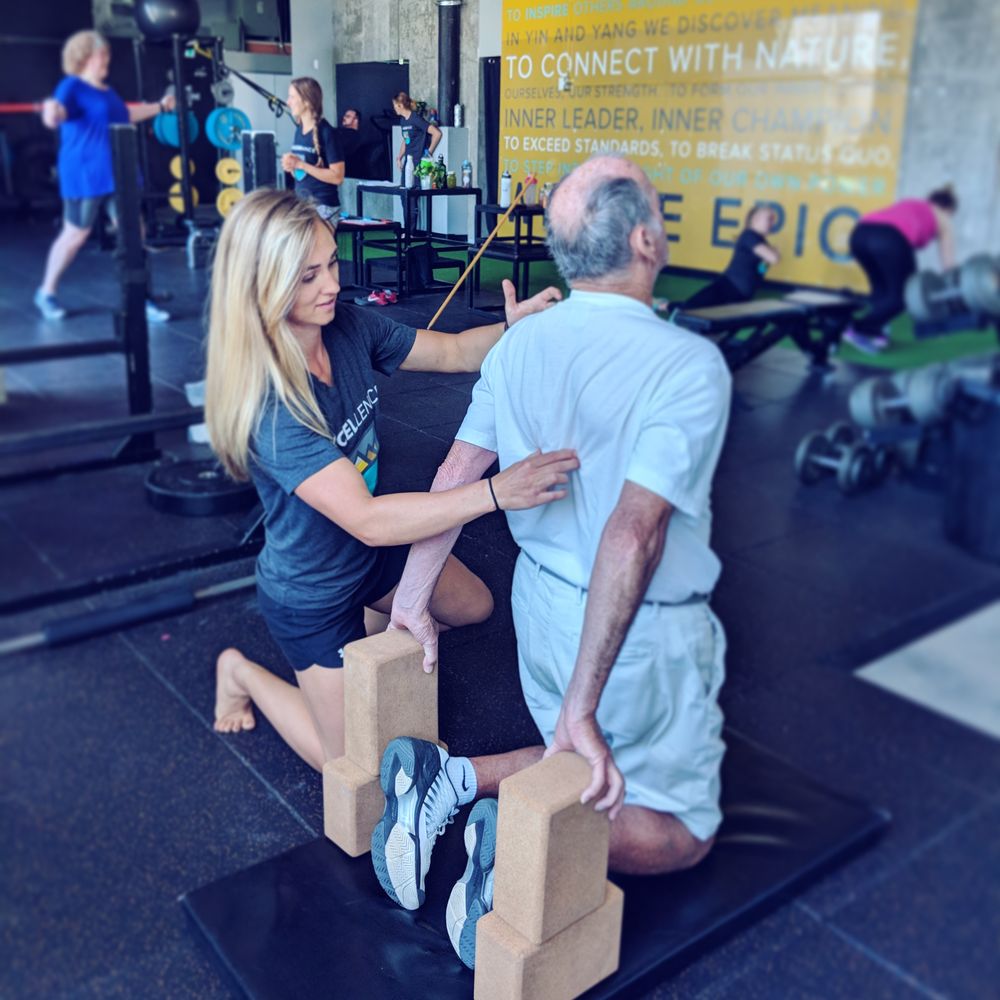
We focus on slow, controlled movement and longer warm-ups to adapt safely to the cold.
During this phase, we emphasize:
- Squat depth and patterning
- Hip hinge mechanics
- Shoulder and thoracic mobility
- Core bracing
- Stable pressing patterns
This sets the stage for safer, more productive winter lifting.
Phase 2: Foundational Strength & Seasonal Volume
Once the body is primed, we add controlled volume and moderate load. This is where winter training truly begins.
A typical week looks like:
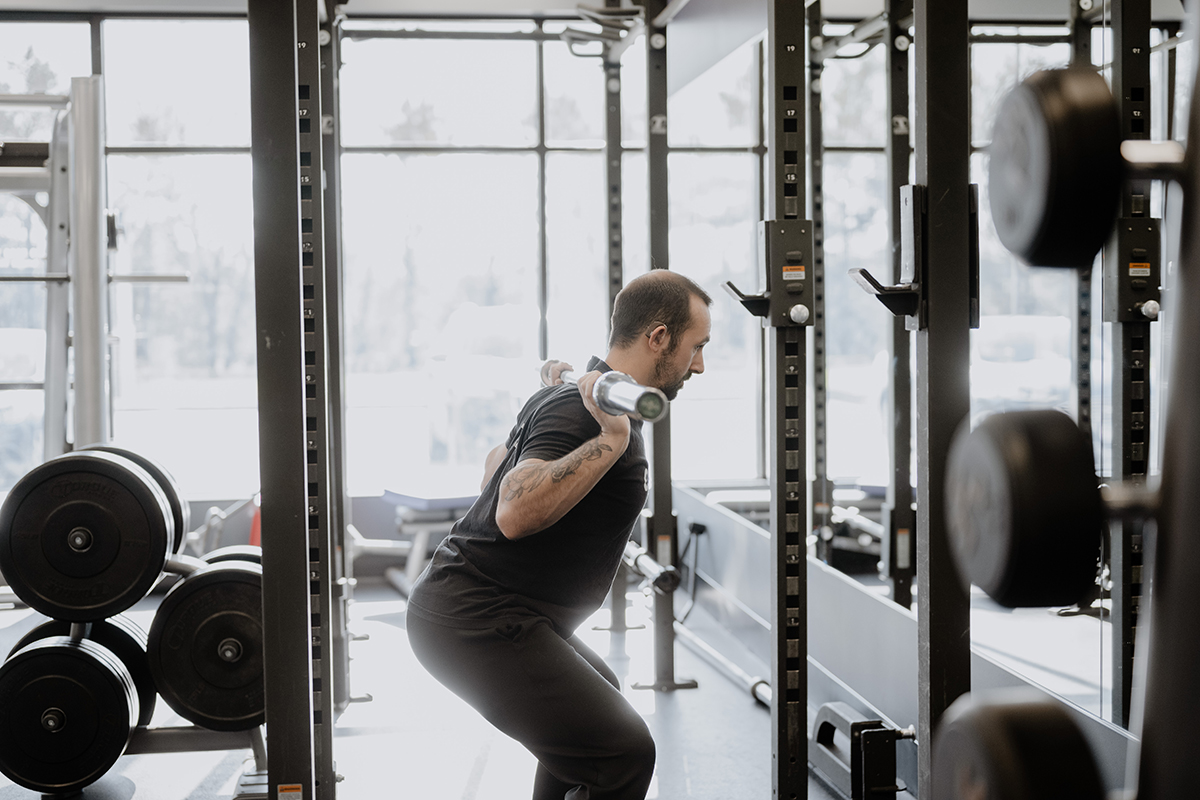
- Squat Day: Back squat + accessories
- Hinge Day: Deadlift variations + glute/hamstring work
- Press Day: Overhead press or bench press
- Pull Day: Rows, pull-ups, and upper-back stability
- Mobility & Core Integration: Throughout the week
In Ottawa winters, our bodies tolerate this phase well because outdoor demands are reduced. With fewer long runs, hikes, or outdoor sports, you can invest more in progressive strength training without over-fatigue.
Phase 3: Controlled Intensification
This is where we start challenging load — safely and strategically.
We increase weight, refine bar speed, and introduce:
- Top sets
- Back-off sets
- Tempo variations
- Power-focused lifts
- Stability under heavier load
This phase is where members often begin hitting new personal bests before the snow even melts.
Phase 4: Consolidation, Reflection & Planning
The final phase brings everything together:
- Assess progress
- Evaluate technique changes
- Reflect on habits
- Identify strengths and weaknesses
- Plan next steps for January and February
This is how winter becomes a launchpad rather than a setback.
How I Adapt Winter Sessions to Ottawa Conditions
Training in a cold climate means modifying the small details that matter. At Under The Bar, I make winter sessions safer, smoother, and more effective through:
1. Longer, intentional warm-ups
Cold joints need time.
I include mobility circuits, dynamic movements, and activation drills to elevate body temperature and protect soft tissue.
2. Adjustments for footwear and clothing
Heavier winter boots, layers, and cold stiffness can affect form.
I help clients transition into proper lifting footwear and tailor movement patterns accordingly.
3. Mood and motivation coaching
The dark, cold months affect energy.
Part of my job is to help you push through the seasonal slump and build resilience.
4. Safe progressions based on winter recovery
People naturally sleep more, which helps strength — but they also move less outdoors, which may require additional mobility.
I account for both.
The Mental Edge You Gain from Winter Training
Something powerful happens when you train consistently through Ottawa’s harsh season.
You develop:
- Mental grit
- Stress resilience
- Greater self-confidence
- A deeper belief in your abilities
- A sense of achievement that fuels every aspect of life
When you choose to show up despite the cold, despite the darkness, despite the holiday distractions — it changes who you are.
Strength isn’t just physical.
It’s a mindset.
And winter is the greatest teacher of that truth.
Why Under The Bar Is Ottawa’s Best Winter Strength Destination
I built Under The Bar for people who want more than a place to “work out.”
I built it for people who want to get strong, with purpose, direction, and genuine support.
What I offer every winter:
- Personalized coaching tailored to your strength level
- Structured winter cycles built for progress
- A warm, focused environment perfect for Ottawa winters
- Mobility and recovery integration
- A supportive community that shows up even on storm days
- A distraction-free space designed for strength development
Here, you are more than a member.
You are part of a team — a team committed to showing up and getting better, no matter the weather.
Final Thoughts
Winter in Ottawa doesn’t have to break your routine.
It can become the moment you finally take control of your fitness, embrace a stronger version of yourself, and train with intention.
You don’t need perfect conditions.
You don’t need summer motivation.
You just need a coach, a plan, and a commitment to improving — one cold day at a time.
And that’s exactly what I offer at Under The Bar.
Call-to-Action
If you’re ready to make winter your strength advantage, I’m here to guide you every step of the way.
Let’s build the kind of strength that lasts all year — right here in Ottawa.
📞 Call: (343) 800-LIFT
📧 Email: underthebarpro@gmail.com
Join me at Under The Bar and let’s make this your strongest winter yet.