
Introduction
Many people in Ottawa start training with good intentions. They commit to a plan, follow it for a few weeks, and expect results. But over time, something happens — the routine becomes difficult to maintain, progress slows, and consistency begins to fade.
At Under The Bar, we see this pattern regularly across Ottawa, Kanata, Nepean, and Orleans. The issue is not a lack of effort. The issue is that most training plans are not designed for real life.
They are built around ideal conditions — unlimited time, perfect energy levels, and no interruptions. Real life does not work that way.
In this article, we explain why most training plans fail, what a realistic approach actually looks like, and how structured coaching helps individuals stay consistent and make long-term progress.
Why Most Training Plans Don’t Last
The biggest reason training plans fail is that they are not sustainable.
Common problems include:
- Too much volume too quickly
- Unrealistic time commitments
- Lack of flexibility
- Overemphasis on intensity
- No clear progression
These plans may work short-term, but they are difficult to maintain.
The “All-In” Trap
Many individuals begin with an “all-in” mindset.
They try to:
- Train every day
- Follow strict routines
- Push maximum intensity
- Change everything at once
While this approach feels productive, it often leads to:
- Burnout
- Fatigue
- Inconsistency
- Loss of motivation
At Under The Bar in Ottawa, we focus on sustainability instead of extremes.
What a Realistic Training Plan Looks Like
A realistic plan is built around consistency, not perfection.
It includes:
- Manageable training frequency
- Structured progression
- Flexibility for life changes
- Balanced workload
- Clear goals
The goal is to create a system that can be followed long-term.
Frequency That Fits Real Life
One of the biggest adjustments we make is training frequency.
Instead of unrealistic expectations, we recommend:
- 2–4 sessions per week
- Consistent scheduling
- Time-efficient workouts
This approach works better for busy professionals and families in Ottawa.
Progression Without Pressure
Progress should be gradual and controlled.
At Under The Bar, we focus on:
- Small increases in load
- Improved movement quality
- Consistent performance
- Long-term gains
This prevents burnout and keeps motivation steady.
Flexibility Is Key to Consistency
Life is unpredictable.
A realistic plan allows for:
- Schedule changes
- Work demands
- Family responsibilities
- Energy fluctuations
Instead of breaking the routine, the program adapts.
Why Structure Matters More Than Intensity
Many people believe they need intense workouts to see results.
In reality, structure matters more.
Structured training provides:
- Clear direction
- Measurable progress
- Balanced workload
- Consistency
This leads to better long-term outcomes.
Avoiding the Restart Cycle
One of the most frustrating patterns is the restart cycle:
- Start a plan
- Lose consistency
- Stop training
- Restart again
This cycle delays progress.
A realistic approach breaks this pattern by making training sustainable.
The Role of Coaching in Realistic Training
Without guidance, it is difficult to maintain balance.
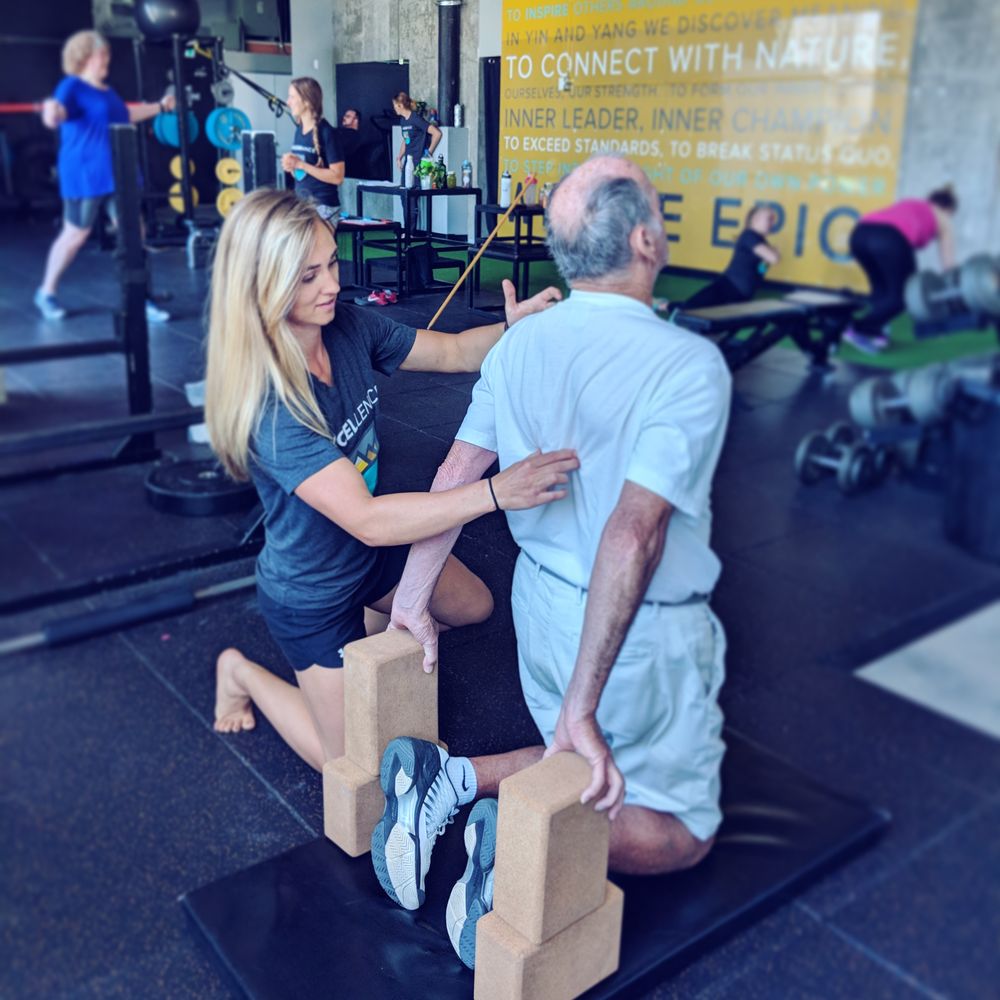
At Under The Bar in Ottawa, coaching provides:
- Program structure
- Adjustments based on life demands
- Accountability
- Technique correction
- Progress tracking
This ensures that the plan continues to work.
Who Needs a Realistic Approach Most
This approach is especially valuable for:
- Busy professionals
- Parents
- Individuals with inconsistent schedules
- Adults returning to fitness
- Anyone struggling with consistency
Training must fit the individual.
The Mental Shift That Makes the Difference
Success comes from changing expectations.
Instead of aiming for perfection, we focus on:
- Consistency
- Progress
- Sustainability
This mindset reduces stress and improves results.
What Happens When Training Becomes Sustainable
When training fits real life, individuals experience:
- Better consistency
- Improved energy
- Increased confidence
- Steady progress
- Reduced frustration
Fitness becomes part of life, not something separate from it.
Ottawa’s Lifestyle Requires Adaptability
Ottawa’s environment includes:
- Busy work schedules
- Seasonal changes
- Family commitments
- Variable routines
A realistic training plan adapts to these conditions.
Why Simple Plans Work Best
Complex programs often fail.
Simple plans succeed because they:
- Are easy to follow
- Reduce decision-making
- Improve consistency
- Support long-term progress
At Under The Bar, simplicity is intentional.
The Under The Bar Approach
At Under The Bar in Ottawa, we build programs that:
- Fit real schedules
- Adapt to life changes
- Provide structured progression
- Focus on long-term success
We remove unnecessary complexity and focus on what works.
Final Thoughts
Most training plans fail because they are not built for real life.
A realistic approach focuses on consistency, structure, and sustainability. When training fits your lifestyle, progress becomes steady and reliable.
For individuals in Ottawa, this approach makes fitness achievable.
Call-to-Action
If you’re ready to follow a training plan that actually fits your life and delivers real results in Ottawa, we’re here to help.
📞 Call: (343) 800-LIFT
📧 Email: underthebarpro@gmail.com
Train with purpose at Under The Bar and build a system that works — long term.