Introduction
Many people begin strength training focused entirely on getting stronger.
They want to:
- Lift heavier weights
- Improve fitness
- Increase performance
- Build muscle
- Feel more capable physically
But as strength increases, another factor becomes increasingly important — mobility.
At Under The Bar, we regularly work with individuals across Ottawa, Kanata, Nepean, and Orleans who discover that strength alone is not enough for long-term progress. Without proper mobility, the body eventually begins compensating, movement quality decreases, and discomfort often develops.
Strength and mobility must work together.
When mobility improves alongside strength:
- Movement becomes more efficient
- Joints move more freely
- Technique improves
- Injury risk decreases
- Long-term performance becomes sustainable
In this article, we explain why mobility becomes more important as adults get stronger, how mobility supports long-term training success, and why our coaching approach integrates both together.
What Mobility Actually Means
Mobility is often misunderstood.
It is not simply stretching.
Mobility refers to:
- Controlled movement through full ranges of motion
- Joint function
- Stability during movement
- Coordination and body awareness
True mobility allows the body to move efficiently and safely under load.
Why Strength Alone Can Create Limitations
Strength without mobility often creates:
- Restricted movement patterns
- Compensation during lifts
- Joint stress
- Increased stiffness
As loads increase, these limitations become more noticeable.
The stronger the body becomes, the more important movement quality becomes.
The Connection Between Mobility and Strength
Mobility and strength are not separate systems.
Mobility supports:
- Better lifting positions
- Improved force production
- Safer movement mechanics
- Greater exercise efficiency
At Under The Bar in Ottawa, we train both together because they directly influence each other.
Why Adults Lose Mobility Over Time
Many adults gradually lose mobility due to:
- Sedentary work environments
- Long hours sitting
- Reduced physical activity
- Repetitive movement patterns
- Lack of movement variety
Over time, joints become stiffer and movement quality declines.
Common Areas of Mobility Restriction
At Under The Bar, common mobility limitations often appear in:
- Hips
- Ankles
- Shoulders
- Thoracic spine
- Hamstrings
These restrictions affect both training performance and everyday movement.
How Mobility Improves Strength Training
Improved mobility allows individuals to:
- Squat deeper safely
- Maintain better posture during lifts
- Move more efficiently under load
- Generate force more effectively
Better positions create better performance.
Why Poor Mobility Increases Injury Risk
Restricted movement often forces the body to compensate.
This can lead to:
- Joint stress
- Muscle imbalances
- Poor technique
- Overuse injuries
Mobility training helps distribute force properly throughout the body.
Mobility Improves Daily Life Too
Mobility benefits extend far beyond the gym.
Individuals often notice improvements in:
- Walking
- Sitting posture
- Reaching overhead
- Carrying objects
- General movement comfort
The body simply moves better throughout the day.
Why Ottawa Professionals Need Mobility Work
Many professionals in Ottawa spend long hours:
- Sitting at desks
- Driving
- Working in repetitive positions
This creates stiffness and reduced movement quality.
Mobility work helps counteract these patterns and restore movement efficiency.
The Role of Stability in Mobility
Mobility without stability creates instability.
At Under The Bar, mobility training always includes:
- Control
- Strength through movement
- Stability under load
This creates usable mobility rather than excessive looseness.
Why Stretching Alone Is Not Enough
Traditional stretching alone often provides temporary relief but does not create lasting improvement.
Lasting mobility improvements require:
- Strength through range of motion
- Controlled movement
- Consistent practice
- Proper loading strategies
This is why mobility must be integrated into training.
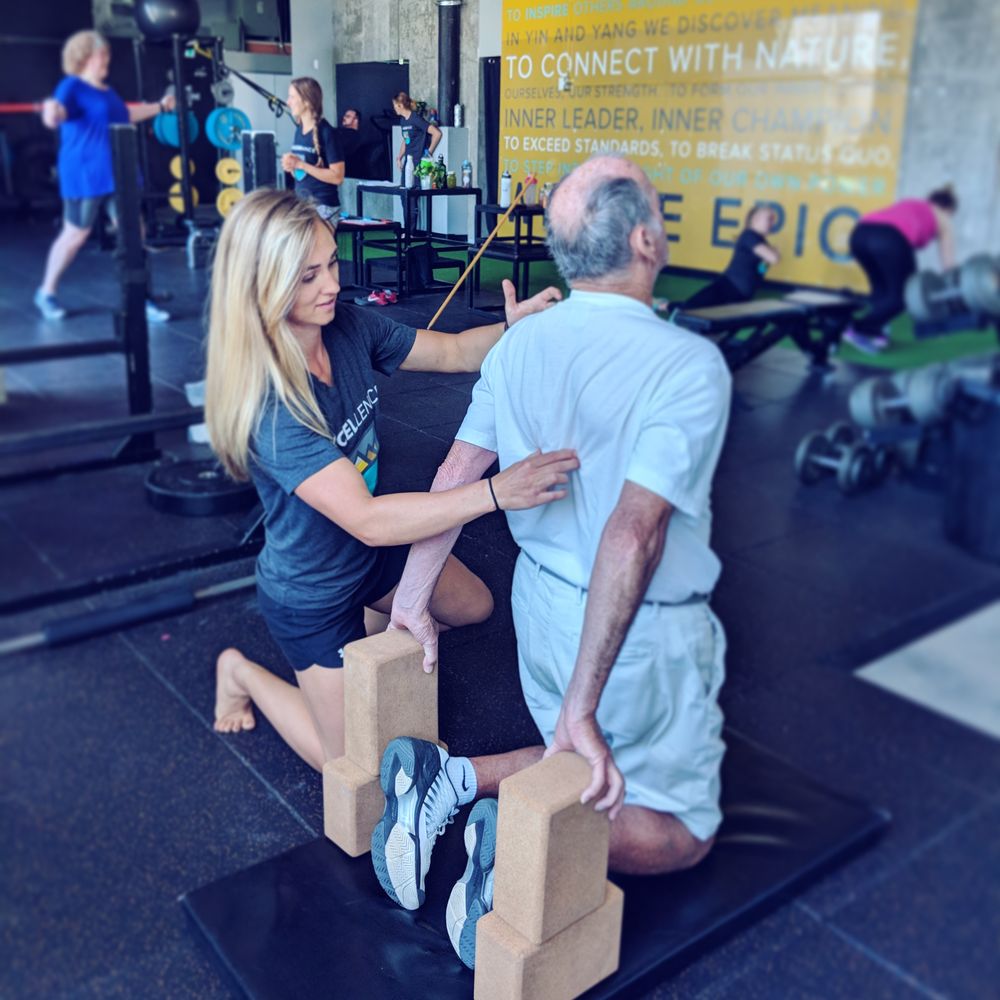
How Coaching Improves Mobility Progress
Mobility work requires proper execution.
Coaching helps individuals:
- Identify restrictions
- Improve movement mechanics
- Progress safely
- Avoid compensation patterns
At Under The Bar in Ottawa, coaching ensures mobility training remains effective and individualized.
Mobility Supports Long-Term Training Sustainability
As adults continue training over time, mobility becomes increasingly important for:
- Joint health
- Recovery
- Performance longevity
- Movement efficiency
It helps individuals continue progressing without excessive wear and tear.
The Mental Benefits of Better Movement
Improved mobility often creates:
- Increased confidence
- Reduced fear of movement
- Better body awareness
- Greater comfort during activity
People begin trusting their body more.
Who Benefits Most From Mobility-Focused Training
This approach is especially valuable for:
- Adults over 30
- Busy professionals
- Recreational athletes
- Individuals with stiffness or discomfort
- People returning to training
Mobility supports every stage of fitness.
The Under The Bar Approach
At Under The Bar in Ottawa, we combine:
- Strength development
- Mobility integration
- Movement quality coaching
- Structured progression
- Long-term sustainability
We help individuals move better while becoming stronger.
Final Thoughts
As adults get stronger, mobility becomes even more important.
Strength without mobility often creates limitations, while strength combined with mobility creates long-term performance, movement quality, and resilience.
For individuals across Ottawa, this balanced approach supports better movement both inside and outside the gym.
Call-to-Action
If you’re ready to improve your strength, movement quality, and long-term mobility in Ottawa, we’re here to help.
📞 Call: (343) 800-LIFT
📧 Email: underthebarpro@gmail.com
Train with purpose at Under The Bar and build strength that moves well for life.