
Introduction
Strength training doesn’t stop when you leave the gym — that’s actually when it begins to work.
Every rep you complete is a small, intentional stress on your body. Recovery is where that stress transforms into progress.
At Under The Bar, we see recovery as the fourth discipline of strength training — right alongside lifting, nutrition, and mindset. Without proper recovery, even the best training program will stall.
This post breaks down how sleep, nutrition, and mobility create the foundation for stronger lifts, faster progress, and a more resilient body.
Why Recovery Is Just as Important as Training
Every heavy session taxes your muscles, joints, and nervous system. Without enough rest, your body can’t rebuild stronger fibers, regulate hormones, or maintain joint health.
Recovery is the process that allows adaptation — it’s where your strength is earned.
Ignoring recovery can lead to:
- Chronic soreness and fatigue
- Plateaus or declining performance
- Poor sleep and motivation
- Increased risk of injury
If you want to get stronger, recovery isn’t optional. It’s the secret weapon that keeps you progressing while others burn out.
1. Sleep — Your Natural Performance Enhancer
Sleep is the single most powerful recovery tool you have — and it’s completely free. During deep sleep, your body releases growth hormone, repairs tissue, and restores your central nervous system.
How to Sleep Like an Athlete
- Aim for 7–9 hours per night. Consistency matters more than perfection.
- Keep a routine. Go to bed and wake up at the same times every day — even weekends.
- Unplug early. Avoid bright screens 30–60 minutes before bed to promote melatonin production.
- Keep it cool and dark. A slightly cooler room helps your body signal “time to recover.”
Pro tip: The harder you train, the more you need to prioritize quality sleep — not just more hours.
2. Nutrition — Fuel for Strength and Repair
Lifting heavy breaks down muscle tissue. Nutrition rebuilds it. Eating right after your workouts and consistently throughout the day gives your body what it needs to grow.
The Key Nutrients for Strength
- Protein: Repairs and rebuilds muscle fibers. Aim for a high-quality protein source with every meal.
- Carbohydrates: Refuel glycogen stores and provide energy for the next session. Don’t fear carbs — they’re your lifting ally.
- Healthy Fats: Support hormones and joint health. Focus on natural, unprocessed sources.
- Micronutrients: Vitamins and minerals help with energy production and recovery. Include a variety of fruits and vegetables daily.
- Hydration: Dehydration affects strength, endurance, and focus. Drink water consistently, not just during workouts.
Post-Workout Strategy
Within 30–60 minutes after training, aim for a balanced meal or shake that includes:
- 20–40 grams of protein
- A serving of carbs (like rice, fruit, or oats)
- Plenty of fluids
Think of nutrition as fuel for your next performance — not just recovery from the last one.
3. Mobility — The Overlooked Recovery Essential
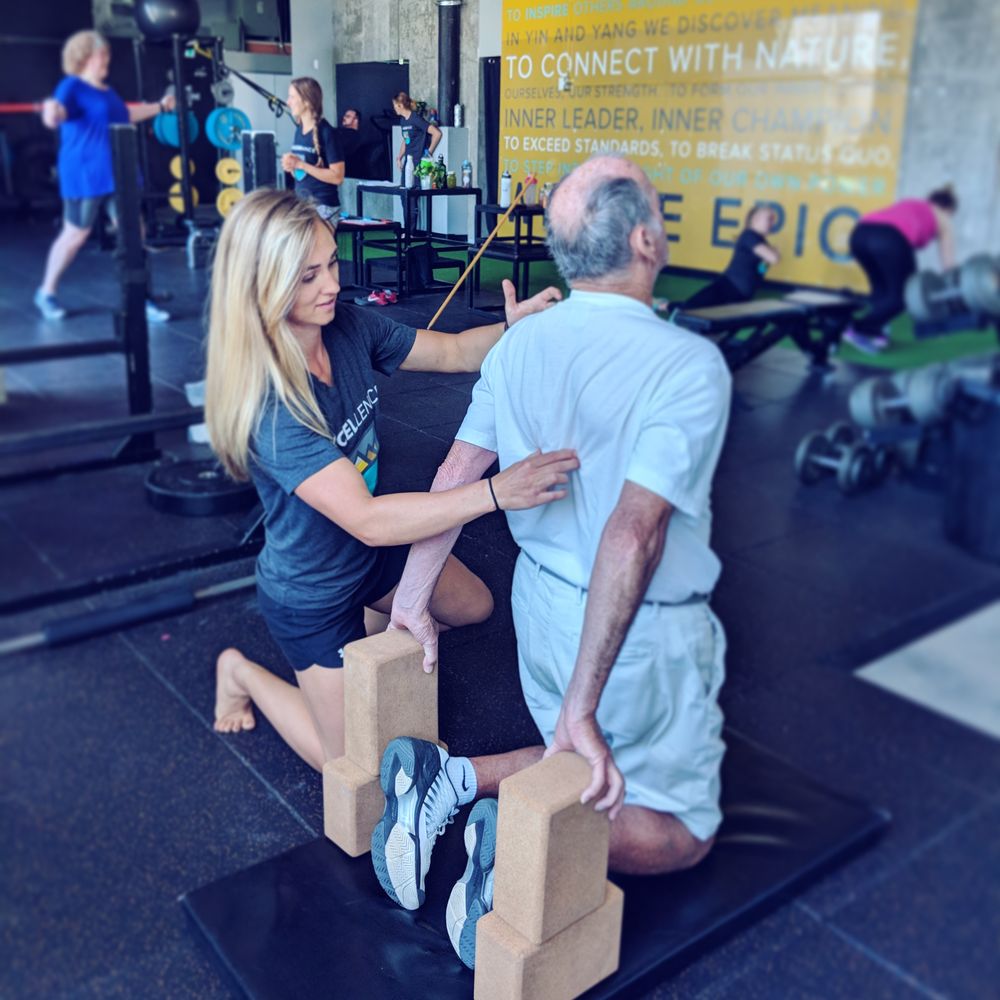
Mobility work isn’t just stretching. It’s active recovery that keeps your joints healthy and your lifts efficient.
Every lifter, from beginner to advanced, benefits from mobility sessions that maintain full range of motion and reduce stiffness.
Mobility Moves to Add to Your Week
- Ankle Rocks – Improve squat depth and reduce knee strain.
- Hip Openers (90/90 or Cossack Squats) – Increase hip flexibility for deadlifts and squats.
- Shoulder Dislocates (with a band or PVC) – Build overhead stability and reduce shoulder tension.
- Thoracic Spine Rotations – Keep your upper back mobile for better posture and pressing mechanics.
- Foam Rolling – Loosen tight fascia and improve blood flow post-training.
A few minutes of mobility every day can prevent hours of discomfort — and it makes every lift smoother and safer.
4. Active Recovery and Rest Days
Your body adapts between workouts, not during them. Rest days aren’t “days off” — they’re active opportunities for growth.
How to Use Rest Days Wisely:
- Go for a light walk, bike ride, or yoga flow.
- Stretch or foam roll tight areas.
- Focus on nutrition and hydration.
- Reflect on your training log — what’s improving, what needs adjustment?
One or two structured rest days per week can make your strength gains faster and more sustainable.
5. Mindset — The Missing Piece of Recovery
Mental fatigue can be just as draining as physical fatigue. Learning to manage stress, breathe deeply, and stay mindful of your goals helps your body recover better.
Take a few minutes daily to check in with yourself — not every day will feel like a “personal best,” and that’s okay.
At Under The Bar, we remind every lifter that consistency matters more than perfection. Recovery days, like training days, are still progress days.
The Under The Bar Recovery Philosophy
Our approach to strength training always includes a recovery plan. Here’s how we help our members recover right:
- Guided mobility work in every warm-up and cool-down.
- Education on sleep, hydration, and recovery strategies for all members.
- Individualized programming that balances training intensity with rest.
- Community support — we check in, encourage breaks when needed, and celebrate recovery wins as much as PRs.
Recovery isn’t an afterthought here — it’s part of the plan.
Sample Recovery Week Schedule
| Day | Focus | Goal |
|---|---|---|
| Monday | Heavy Lower Body | Build strength and tension control |
| Tuesday | Mobility + Core | Improve movement quality |
| Wednesday | Upper Body | Press and pull strength |
| Thursday | Active Recovery | Walk, stretch, foam roll |
| Friday | Full Body Power | Compound lifts and stability |
| Saturday | Rest or Light Conditioning | Recharge and reflect |
| Sunday | Sleep & Nutrition Focus | Prep for next week’s success |
A balanced plan keeps your system performing at its peak all winter long.
Final Thoughts
Strong training demands smart recovery. You can’t out-lift poor sleep, bad nutrition, or neglected mobility. The athletes and lifters who last the longest — and see the biggest results — are those who treat recovery as part of their training, not an optional add-on.
This season, focus on lifting hard and recovering harder.
Your strength depends on both.
Call-to-Action
Ready to train smarter and recover stronger?
Join us at Under The Bar — where we’ll teach you not only how to lift, but how to rest, refuel, and rebuild like an athlete.
📞 Call: (343) 800-LIFT
📧 Email: underthebarpro@gmail.com
Let’s make your next personal record not just about power — but about balance, resilience, and results.