Introduction
As activity levels begin to rise across Ottawa and surrounding areas like Kanata, Nepean, and Orleans, many individuals naturally increase movement. Walks get longer, outdoor activities return, and overall daily physical demand increases. While this seasonal shift is positive, it also introduces a common problem — the body is often not fully prepared for the sudden increase in workload.
At Under The Bar, we see this pattern every year. Individuals feel motivated to move more, but without the proper strength foundation, this increase can lead to discomfort, fatigue, or injury. The solution is not to slow down activity, but to support it with structured strength training.
In this article, we explain how strength training allows for a safe transition into higher activity levels, how our Ottawa-based coaching approach prepares the body for increased demand, and why this phase is critical for long-term success.
Why Sudden Increases in Activity Create Risk
When activity increases too quickly, the body is forced to adapt faster than it is capable of.
This can lead to:
- Joint irritation
- Muscle strain
- Tendon stress
- Lower back discomfort
- Knee instability
- Fatigue accumulation
These issues are not caused by movement itself, but by a lack of preparation. Strength training provides the gradual adaptation required to handle increased activity safely.
Strength as the Foundation for Movement
At Under The Bar in Ottawa, we emphasize that strength is the foundation of all movement.
Strength training improves:
- Force production
- Joint stability
- Coordination
- Balance
- Movement efficiency
When these qualities are developed, the body can handle increased activity without unnecessary strain.
Preparing the Lower Body for Increased Load
As walking, running, and outdoor activity increase, the lower body absorbs the majority of stress.
We prioritize:
Squat Development
Squats improve:
- Knee alignment
- Hip strength
- Ankle mobility
- Load distribution
This reduces stress on joints during increased daily movement.
Hip Hinge Strength
Deadlifts and hinge variations strengthen:
- Glutes
- Hamstrings
- Lower back
This protects against common lower back issues that arise when activity increases.
Supporting Upper Body and Posture
Increased activity also affects posture and upper body positioning.
We incorporate:
- Pulling movements for upper back strength
- Pressing movements for shoulder stability
- Core integration for full-body coordination
These elements improve posture during walking, lifting, and daily tasks.
The Role of Core Stability
Core stability connects all movement patterns.
At Under The Bar, we teach:
- Proper bracing
- Controlled movement
- Anti-rotation stability
This reduces compensatory movement patterns that often lead to injury.
Gradual Progression Prevents Overload
One of the most important elements of safe transition is progression.
Our Ottawa-based programming includes:
- Controlled increases in load
- Structured weekly progression
- Volume management
- Built-in recovery
This allows the body to adapt without excessive stress.
Why Random Activity Is Not Enough
Many individuals rely on activity alone to improve fitness.
However, activity without strength training often leads to:
- Imbalances
- Overuse injuries
- Plateaued performance
- Fatigue
Strength training ensures the body is prepared, not just active.
Who Benefits Most From Strength-Supported Activity
This approach is especially beneficial for:
- Busy professionals increasing daily movement
- Recreational athletes returning to sport
- Adults over 30 focused on longevity
- Individuals recovering from inactivity
- Parents managing physical demands
Strength training supports all levels of activity.
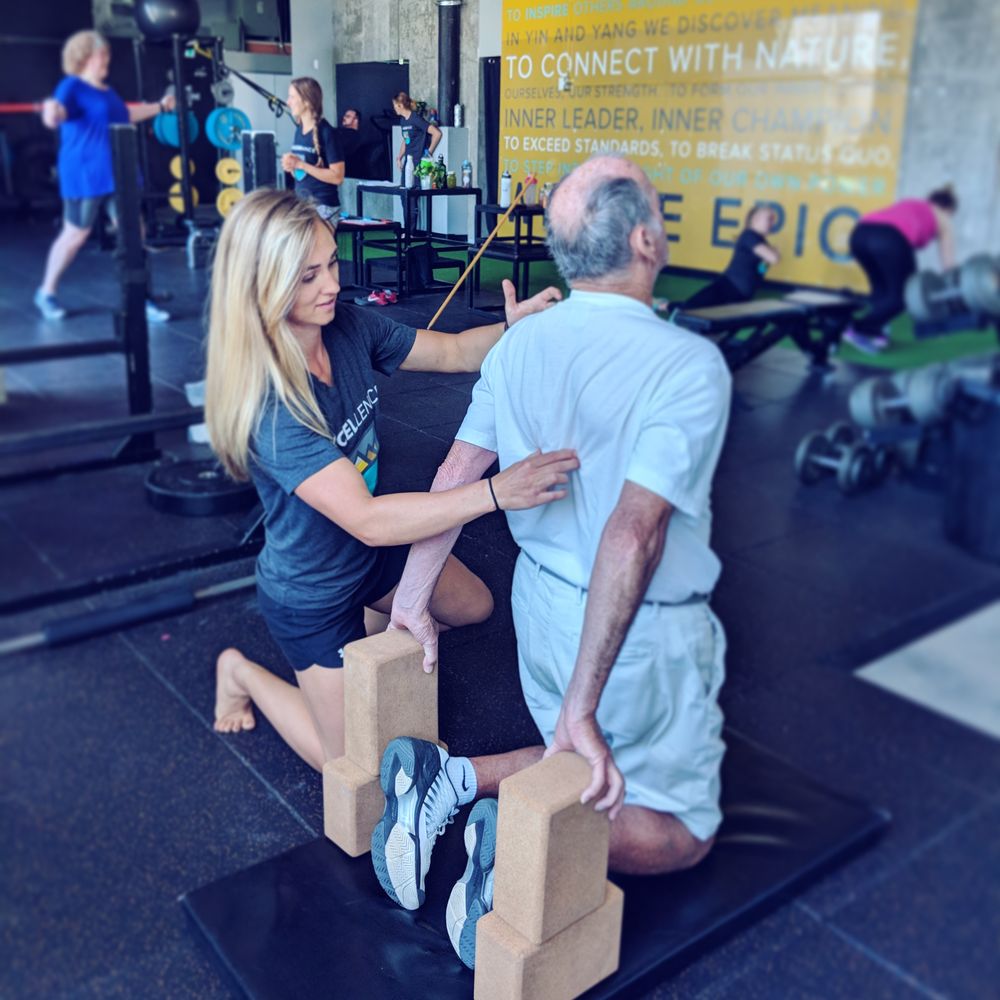
Why Coaching Matters During Transition
Training without guidance during this phase can lead to mistakes.
At Under The Bar in Ottawa, coaching ensures:
- Proper technique
- Balanced programming
- Load adjustments
- Recovery management
- Accountability
Guidance allows individuals to progress confidently and safely.
Avoiding Common Transition Mistakes
We often see individuals:
- Increase activity too quickly
- Skip strength training
- Ignore early discomfort
- Push through fatigue
- Follow unstructured routines
Our approach prevents these issues through structured progression.
The Long-Term Benefits of Proper Transition
When strength training supports increased activity, individuals experience:
- Reduced injury risk
- Improved endurance
- Greater confidence
- Better recovery
- Consistent progress
This leads to sustainable results rather than short-term effort.
Ottawa’s Environment Requires Preparation
Ottawa’s seasonal shifts create fluctuating activity levels. Strength training provides stability within that variability.
Our members are prepared for:
- Increased outdoor movement
- Recreational activities
- Daily physical demands
- Changing routines
Preparation replaces reaction.
The Under The Bar Approach
At Under The Bar in Ottawa, we focus on:
- Structured programming
- Coaching precision
- Sustainable progression
- Balanced strength development
- Long-term durability
We build strength that supports real life.
Final Thoughts
Increasing activity is a positive step — but only when the body is prepared.
Strength training ensures that movement remains safe, effective, and sustainable. It bridges the gap between intention and performance.
At Under The Bar, we help Ottawa clients transition with confidence.
Call-to-Action
If you’re increasing your activity and want to do it safely while building real strength in Ottawa, we’re here to guide you.
📞 Call: (343) 800-LIFT
📧 Email: underthebarpro@gmail.com
Introduction
As activity levels begin to rise across Ottawa and surrounding areas like Kanata, Nepean, and Orleans, many individuals naturally increase movement. Walks get longer, outdoor activities return, and overall daily physical demand increases. While this seasonal shift is positive, it also introduces a common problem — the body is often not fully prepared for the sudden increase in workload.
At Under The Bar, we see this pattern every year. Individuals feel motivated to move more, but without the proper strength foundation, this increase can lead to discomfort, fatigue, or injury. The solution is not to slow down activity, but to support it with structured strength training.
In this article, we explain how strength training allows for a safe transition into higher activity levels, how our Ottawa-based coaching approach prepares the body for increased demand, and why this phase is critical for long-term success.
Why Sudden Increases in Activity Create Risk
When activity increases too quickly, the body is forced to adapt faster than it is capable of.
This can lead to:
- Joint irritation
- Muscle strain
- Tendon stress
- Lower back discomfort
- Knee instability
- Fatigue accumulation
These issues are not caused by movement itself, but by a lack of preparation. Strength training provides the gradual adaptation required to handle increased activity safely.
Strength as the Foundation for Movement
At Under The Bar in Ottawa, we emphasize that strength is the foundation of all movement.
Strength training improves:
- Force production
- Joint stability
- Coordination
- Balance
- Movement efficiency
When these qualities are developed, the body can handle increased activity without unnecessary strain.
Preparing the Lower Body for Increased Load
As walking, running, and outdoor activity increase, the lower body absorbs the majority of stress.
We prioritize:
Squat Development
Squats improve:
- Knee alignment
- Hip strength
- Ankle mobility
- Load distribution
This reduces stress on joints during increased daily movement.
Hip Hinge Strength
Deadlifts and hinge variations strengthen:
- Glutes
- Hamstrings
- Lower back
This protects against common lower back issues that arise when activity increases.
Supporting Upper Body and Posture
Increased activity also affects posture and upper body positioning.
We incorporate:
- Pulling movements for upper back strength
- Pressing movements for shoulder stability
- Core integration for full-body coordination
These elements improve posture during walking, lifting, and daily tasks.
The Role of Core Stability
Core stability connects all movement patterns.
At Under The Bar, we teach:
- Proper bracing
- Controlled movement
- Anti-rotation stability
This reduces compensatory movement patterns that often lead to injury.
Gradual Progression Prevents Overload
One of the most important elements of safe transition is progression.
Our Ottawa-based programming includes:
- Controlled increases in load
- Structured weekly progression
- Volume management
- Built-in recovery
This allows the body to adapt without excessive stress.
Why Random Activity Is Not Enough
Many individuals rely on activity alone to improve fitness.
However, activity without strength training often leads to:
- Imbalances
- Overuse injuries
- Plateaued performance
- Fatigue
Strength training ensures the body is prepared, not just active.
Who Benefits Most From Strength-Supported Activity
This approach is especially beneficial for:
- Busy professionals increasing daily movement
- Recreational athletes returning to sport
- Adults over 30 focused on longevity
- Individuals recovering from inactivity
- Parents managing physical demands
Strength training supports all levels of activity.
Why Coaching Matters During Transition
Training without guidance during this phase can lead to mistakes.
At Under The Bar in Ottawa, coaching ensures:
- Proper technique
- Balanced programming
- Load adjustments
- Recovery management
- Accountability
Guidance allows individuals to progress confidently and safely.
Avoiding Common Transition Mistakes
We often see individuals:
- Increase activity too quickly
- Skip strength training
- Ignore early discomfort
- Push through fatigue
- Follow unstructured routines
Our approach prevents these issues through structured progression.
The Long-Term Benefits of Proper Transition
When strength training supports increased activity, individuals experience:
- Reduced injury risk
- Improved endurance
- Greater confidence
- Better recovery
- Consistent progress
This leads to sustainable results rather than short-term effort.
Ottawa’s Environment Requires Preparation
Ottawa’s seasonal shifts create fluctuating activity levels. Strength training provides stability within that variability.
Our members are prepared for:
- Increased outdoor movement
- Recreational activities
- Daily physical demands
- Changing routines
Preparation replaces reaction.
The Under The Bar Approach
At Under The Bar in Ottawa, we focus on:
- Structured programming
- Coaching precision
- Sustainable progression
- Balanced strength development
- Long-term durability
We build strength that supports real life.
Final Thoughts
Increasing activity is a positive step — but only when the body is prepared.
Strength training ensures that movement remains safe, effective, and sustainable. It bridges the gap between intention and performance.
At Under The Bar, we help Ottawa clients transition with confidence.
Call-to-Action
If you’re increasing your activity and want to do it safely while building real strength in Ottawa, we’re here to guide you.
📞 Call: (343) 800-LIFT
📧 Email: underthebarpro@gmail.com
Train with purpose at Under The Bar and build the strength foundation that supports every step forward.