
Introduction
Every lifter has one goal in common: progress without pain.
Yet too many strength athletes focus on how much they lift rather than how they lift — and that’s where injuries begin.
At Under The Bar, we believe that real strength isn’t just about lifting heavier; it’s about lifting smarter.
This blog will show you how to stay strong, mobile, and injury-free through the fundamentals of good form, intentional mobility, and active body awareness.
Why Prevention Is Better Than Recovery
Injuries don’t just hurt your body — they halt your progress, derail your motivation, and force you to rebuild what you’ve worked for.
The best approach isn’t to fix injuries after they happen — it’s to prevent them before they start.
By focusing on:
- Proper form and movement mechanics
- Consistent mobility and recovery habits
- Listening to your body’s warning signs
…you can keep training consistently, confidently, and for years to come.
1. Form: The Foundation of Every Lift
Your technique determines whether a lift strengthens or strains your body. Perfect form doesn’t just look good — it distributes load evenly, protects joints, and builds long-term power.
How to Master Your Form
- Start light. The goal is control, not ego. You can’t fix bad habits under heavy load.
- Engage your core. Before every rep, brace your midsection as if preparing to take a punch.
- Align the joints. Knees should track over toes, wrists stay stacked under elbows, and spine stays neutral.
- Move with intention. Control the bar through every phase — no bouncing, jerking, or rushing.
- Film yourself or work with a coach. Feedback helps you catch mistakes before they become injuries.
Remember: strength built on poor mechanics is short-lived. Form-first lifters last longer.
2. Mobility: Your Secret Weapon for Longevity
Mobility isn’t just stretching — it’s movement with control and stability. It’s what allows your body to move freely into proper positions under load.
When you skip mobility, you force your joints and muscles to compensate — and those compensations are what cause injuries.
Essential Mobility Work for Lifters
- Ankles: Deep squats, calf stretches, and ankle rocks improve squat depth and balance.
- Hips: Cossack squats, 90/90 hip switches, and hip flexor stretches keep your lower body fluid.
- Shoulders: Arm circles, band pull-aparts, and overhead mobility drills protect your pressing mechanics.
- Thoracic Spine: Rotations and extensions prevent stiffness and improve posture.
Mobility isn’t optional — it’s your body’s insurance policy for pain-free lifting.
When to Do Mobility
- Before lifting: Dynamic warm-up (5–10 minutes of active movement).
- After lifting: Static stretches or foam rolling (10 minutes).
- On rest days: Active recovery mobility sessions to improve range of motion.
3. Listen to Your Body
Pain is your body’s way of speaking. The problem is, too many lifters ignore it until it screams.
Learning to distinguish between training discomfort and injury warning signs is key.
Healthy Discomfort vs. Harmful Pain
| Feeling | Meaning | What to Do |
|---|---|---|
| Muscle burn or mild soreness | Normal adaptation | Recover, hydrate, and rest well |
| Sharp, sudden pain | Possible injury | Stop immediately and assess |
| Joint pain or clicking | Overuse or poor form | Reduce load and adjust technique |
| Fatigue or sluggishness | Lack of recovery | Sleep more, eat better, or deload |
Ignoring pain doesn’t make you stronger — it just delays progress. Strength is knowing when to push and when to pause.
4. Warm Up Like You Mean It
Your warm-up sets the tone for your entire session. It’s more than just getting the blood flowing — it’s preparing your joints, muscles, and nervous system for heavy work.
Sample Warm-Up Routine
- 5 minutes light cardio (bike, row, or walk)
- Dynamic mobility drills for hips, shoulders, and ankles
- Activation exercises – glute bridges, band pull-aparts, planks
- Barbell movement prep – 2–3 light sets of your main lift before adding load
Skipping warm-ups is one of the fastest routes to injury. Taking just 10 minutes to prepare can save you months of recovery.
5. Prioritize Recovery as Much as Training
Your body doesn’t grow stronger in the gym — it grows stronger when you recover.
Overtraining is just as harmful as undertraining.
Recovery Essentials
- Sleep: 7–9 hours per night for muscle and joint repair.
- Hydration: Water supports nutrient delivery and joint lubrication.
- Nutrition: Protein and whole foods rebuild tissue and fuel your body.
- Rest Days: Active recovery (light cardio, stretching, or mobility work).
Make recovery part of your program, not an afterthought.
6. Strengthen What Supports You
Many injuries occur not in the major lifts themselves, but from weak stabilizers that can’t keep up.
To prevent this, include exercises that strengthen your foundation:
- Core stability: Planks, bird dogs, and anti-rotation holds.
- Scapular control: Band pull-aparts and face pulls.
- Hip stability: Glute bridges and single-leg Romanian deadlifts.
- Grip strength: Farmer’s carries and holds.
The stronger your stabilizers, the more resilient your body becomes.
7. The Role of Coaching in Injury Prevention
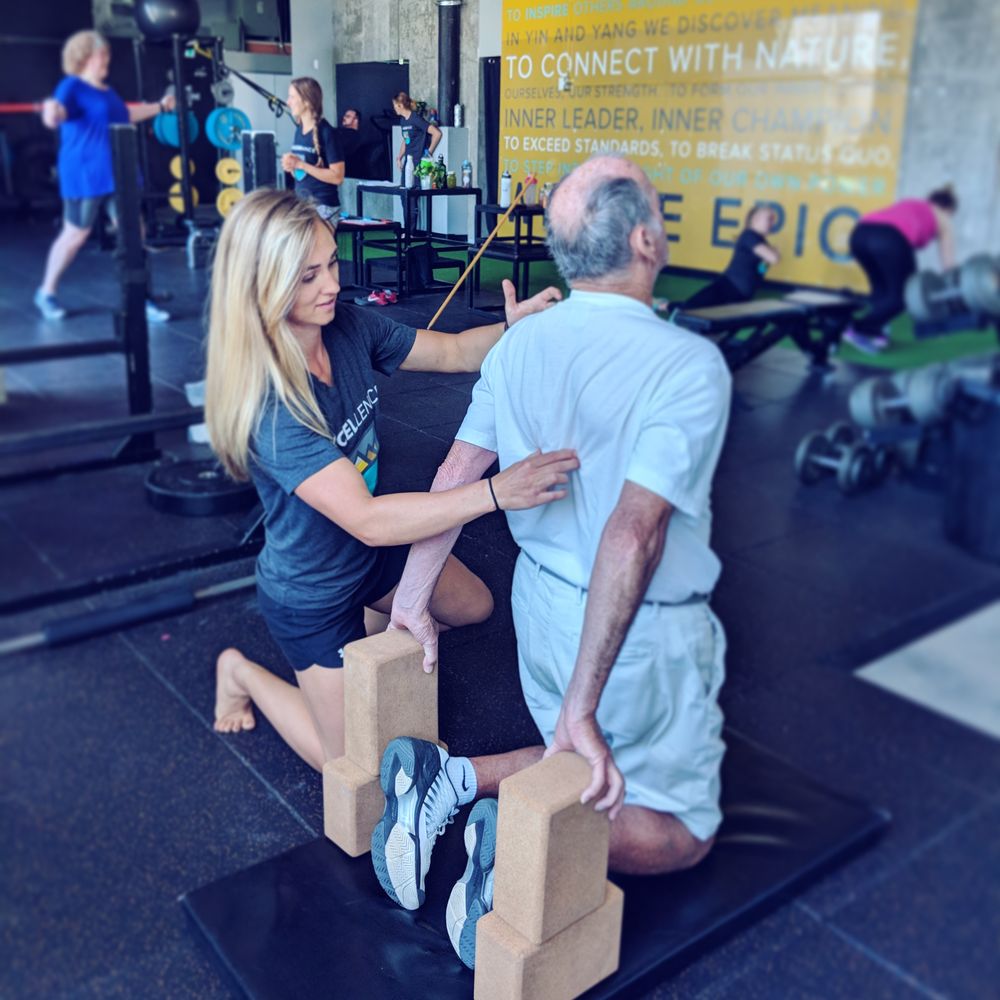
Even the most experienced lifters need an outside eye. Coaches see what you can’t feel — the small details that separate safe lifting from risky lifting.
At Under The Bar, our coaches prioritize technique, mobility, and safety in every session. We believe prevention is part of progress — and our programs reflect that.
We correct your form, balance your training load, and help you recognize early warning signs before they turn into setbacks.
Because your long-term strength matters more than short-term numbers.
Mindset: Train for the Long Game
Strength training is a lifelong pursuit — not a sprint. The goal isn’t to lift the heaviest weight once; it’s to stay healthy enough to lift for decades.
Every rep is an opportunity to build better habits, stronger movement, and a more resilient body.
If you focus on form, mobility, and awareness, you’ll not only prevent injury — you’ll unlock your best performance.
Call-to-Action
Train smart. Move well. Stay strong.
Join us at Under The Bar, where our expert coaches teach you how to lift safely, move efficiently, and perform at your best — injury-free.
📞 Call: (343) 800-LIFT
📧 Email: underthebarpro@gmail.com
Your body deserves the kind of strength that lasts — and we’ll help you build it, one rep at a time.