Introduction
Many people believe that success in fitness comes from doing more—more workouts, more weight, more repetitions, and more time in the gym. While consistent training is essential, one of the most overlooked aspects of long-term progress is recovery.
At Under The Bar, we help clients throughout Ottawa, Kanata, Nepean, Orleans, Barrhaven, and surrounding communities understand that recovery is not taking time away from progress—it is part of progress.
Recovery is what allows the body to rebuild stronger, adapt to training, and prepare for the next challenge. Without proper recovery, even the best training program becomes difficult to sustain.
Training for life means creating a body that performs well at work, at home, during recreation, and in everyday activities—not just during workouts.
In this article, we explore why recovery is essential, how it supports long-term fitness, and why a balanced approach leads to better results than constantly pushing harder.
Recovery Is When Progress Happens
Exercise creates a training stimulus.
Recovery is when the body adapts.
Following a workout, the body begins repairing tissues, restoring energy, and preparing for future physical demands.
Without sufficient recovery, the body struggles to make these positive adaptations.
This is why recovery should be viewed as an essential part of every fitness program.
More Training Is Not Always Better
Many people believe that exercising every day at maximum intensity will produce faster results.
In reality, excessive training without adequate recovery can contribute to:
- Ongoing fatigue
- Reduced motivation
- Slower progress
- Poor movement quality
- Difficulty maintaining consistency
At Under The Bar, we encourage clients to focus on training smart rather than simply training more.
Sleep Is One of the Most Powerful Recovery Tools
Quality sleep supports nearly every aspect of physical performance.
During sleep, the body helps regulate:
- Muscle repair
- Energy restoration
- Hormonal balance
- Mental recovery
- Learning and memory
Many adults throughout Ottawa notice significant improvements in both workouts and daily energy simply by improving sleep habits.
Nutrition Supports Recovery
Food provides the nutrients the body needs to recover from training.
A balanced approach to nutrition helps support:
- Muscle repair
- Energy production
- Immune function
- Overall health
Rather than following restrictive trends, sustainable eating habits often produce the best long-term outcomes.
Hydration Influences Performance
Hydration affects nearly every system in the body.
Proper hydration helps support:
- Joint function
- Circulation
- Temperature regulation
- Exercise performance
- Recovery
Even mild dehydration can influence how people feel during both workouts and daily activities.
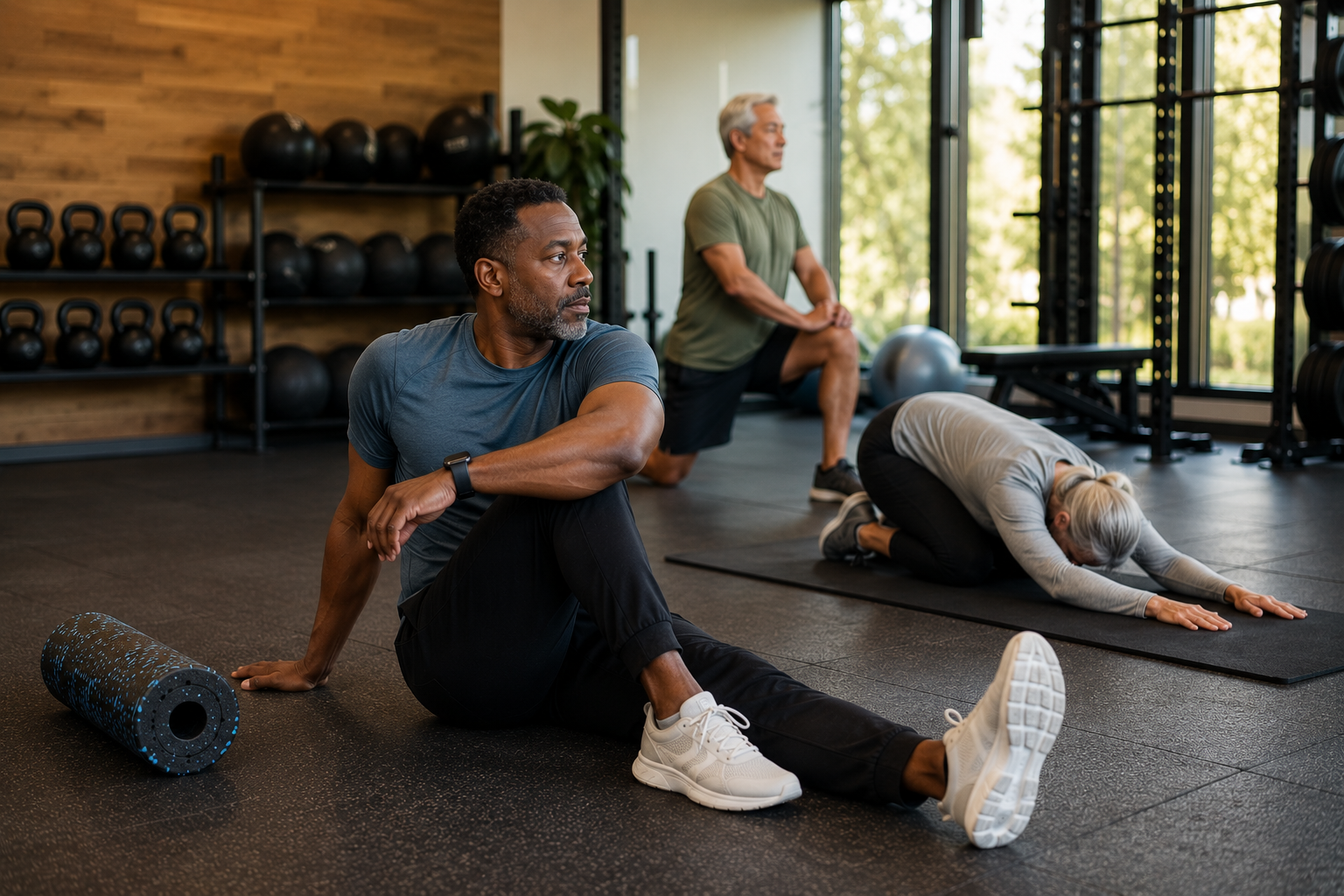
Movement Can Be Part of Recovery
Recovery does not always mean complete rest.
Gentle movement can help support:
- Circulation
- Mobility
- Flexibility
- Physical comfort
Activities such as walking, stretching, and mobility work often leave individuals feeling refreshed rather than fatigued.
This is one reason active recovery is incorporated into many long-term training plans.
Recovery Helps Manage Stress
Modern life places many demands on the body.
Busy schedules, careers, commuting, and family responsibilities all contribute to stress.
Regular recovery practices help create balance by supporting both physical and mental well-being.
Many clients find that recovery habits improve not only their workouts but also their focus, productivity, and overall mood.
Listening to the Body Matters
Learning to recognize the difference between healthy training fatigue and excessive exhaustion is an important skill.
Signs that additional recovery may be beneficial include:
- Persistent soreness
- Low motivation
- Reduced performance
- Poor sleep
- Difficulty concentrating
Paying attention to these signals allows individuals to adjust training appropriately.
Recovery Supports Better Movement
When the body recovers well, movement often becomes:
- More controlled
- More efficient
- More comfortable
Fatigue can negatively affect technique.
By prioritizing recovery, clients are better prepared to perform movements safely and effectively during future workouts.
Consistency Requires Recovery
The goal of fitness is not to complete one outstanding workout.
The goal is to remain active consistently for months and years.
Recovery helps make that possible.
Individuals who recover effectively are often able to train more consistently because they avoid unnecessary burnout.
Consistency remains one of the strongest predictors of long-term success.
Recovery Changes Throughout Life
Recovery needs often evolve with age and lifestyle.
Busy professionals, parents, recreational athletes, and older adults may all require slightly different recovery strategies.
Individualized coaching helps ensure recovery matches each person’s training demands and daily responsibilities.
Recovery Supports Active Lifestyles
Residents throughout Ottawa, Kanata, Nepean, Orleans, and Barrhaven enjoy activities such as:
- Hiking
- Cycling
- Paddle sports
- Recreational leagues
- Walking trails
- Winter sports
Good recovery helps individuals continue enjoying these activities while maintaining strength and resilience.
Building Healthy Recovery Habits
Simple habits can make a meaningful difference over time.
Examples include:
- Maintaining a consistent sleep schedule
- Drinking enough water
- Taking walking breaks during the workday
- Performing regular mobility exercises
- Managing daily stress
Small habits practiced consistently often produce lasting results.
The Under The Bar Approach
At Under The Bar, recovery is viewed as an essential part of long-term performance.
Our coaching philosophy emphasizes:
- Intelligent programming
- Sustainable progression
- Proper recovery
- Functional movement
- Long-term health
We help clients train with purpose while respecting the body’s need to recover and adapt.
Final Thoughts
Recovery is not about slowing progress—it is what allows progress to happen.
By prioritizing sleep, nutrition, hydration, movement, and balanced training, individuals create the conditions needed for lasting success.
For adults throughout Ottawa and the surrounding communities, recovery is one of the smartest investments they can make in their long-term health, strength, and quality of life.
Training for life means preparing the body to perform well every day—not just during workouts.
Call-to-Action
Ready to train smarter and recover better?
Contact Under The Bar today and discover how personalized coaching can help you build strength, improve recovery, and create sustainable fitness habits that last.
📞 Call: (343) 800-LIFT
📧 Email: underthebarpro@gmail.com
Train with purpose at Under The Bar and build lasting results through balanced, intelligent training.