
Introduction
Winter in Ottawa isn’t short — and by February, many people start to feel the weight of it. Training fatigue builds, motivation fades, and even disciplined lifters can begin to feel mentally and physically drained. This is where burnout quietly creeps in.
At Under The Bar, winter burnout is something I actively coach against. Burnout doesn’t happen because people are weak or undisciplined — it happens when training intensity, stress, and recovery fall out of balance. February is the point in the winter where smart coaching makes the biggest difference.
In this blog, I want to explain why burnout is so common during long Ottawa winters, how it shows up in training, and exactly how I help clients stay strong, motivated, and healthy through extended winter training cycles.
What Burnout Really Looks Like in Winter Training
Burnout isn’t always obvious. It often shows up gradually, especially in February.
Common signs include:
- Feeling tired before workouts even begin
- Dreading sessions that used to feel enjoyable
- Lingering soreness or joint irritation
- Trouble sleeping despite training
- Loss of focus or confidence
- Irritability or mental fatigue
These symptoms are common in Ottawa during winter, when daylight is limited and stress accumulates. Ignoring them doesn’t build toughness — it leads to setbacks.
Why Winter Burnout Is So Common in Ottawa
Ottawa winters place unique demands on both body and mind.
Several factors contribute to burnout:
- Long periods of cold exposure
- Reduced sunlight
- Increased time spent indoors
- Work and family stress
- Reduced outdoor movement
- Trying to maintain January-level intensity for too long
By February, many people are training hard and carrying high life stress — without adjusting their recovery strategy.
Burnout isn’t caused by training alone. It’s caused by training plus unmanaged stress.
Why Pushing Harder Is Not the Solution
One of the biggest mistakes I see is people responding to burnout by pushing harder — adding more sessions, more intensity, or more volume.
In reality, this accelerates burnout.
At Under The Bar, I take the opposite approach in February:
- I assess recovery before intensity
- I adjust volume strategically
- I protect consistency
- I prioritize quality over quantity
Strength is built when effort and recovery are aligned — not when effort overwhelms recovery.
How I Prevent Burnout During Long Winter Training Cycles
1. I Build Recovery Into the Program
Recovery isn’t something people have to “earn.” It’s built directly into winter programming.
That includes:
- Planned lighter weeks
- Alternating intensity levels
- Controlled volume
- Strategic rest periods
This allows progress to continue without exhausting the system.
2. I Adjust Training Based on Real Life Stress
Winter stress doesn’t come only from training. Work pressure, family responsibilities, and seasonal fatigue all matter.
I adjust sessions based on:
- Sleep quality
- Workload
- Energy levels
- Joint feedback
- Mental focus
This flexibility keeps training supportive rather than overwhelming.
3. I Shift the Focus When Needed
When fatigue builds, I don’t force heavy lifting. Instead, I shift focus to:
- Technique refinement
- Tempo control
- Mobility-supported strength
- Stability work
These shifts maintain progress while allowing recovery.
Why February Is the Most Important Month to Manage Burnout
January energy can mask fatigue. February reveals it.
This month is where:
- Accumulated stress becomes noticeable
- Recovery habits are tested
- Training systems either adapt or fail
Clients who manage burnout in February build resilience that lasts the rest of the year. Those who ignore it often stall or stop altogether.
How Strength Training Supports Burnout Prevention
Strength training, when coached properly, prevents burnout by:
- Improving nervous system regulation
- Creating structure and routine
- Enhancing sleep quality
- Reducing anxiety
- Building physical resilience
It’s not the absence of training that prevents burnout — it’s the right kind of training.
Why Winter Burnout Is More Mental Than Physical
By February, many people are physically capable but mentally drained.
Strength training helps because it:
- Provides focus
- Creates routine
- Builds confidence
- Reinforces discipline
- Gives a sense of progress
Training becomes grounding instead of draining.
Who Is Most at Risk of Winter Burnout
Burnout can affect anyone, but it’s especially common among:
- Busy professionals
- Parents managing winter schedules
- High-effort trainees
- People with perfectionist tendencies
- Anyone training without guidance
These individuals benefit most from structured, coached training during February.
Why Coaching Makes the Difference
Burnout often goes unnoticed when people train alone.
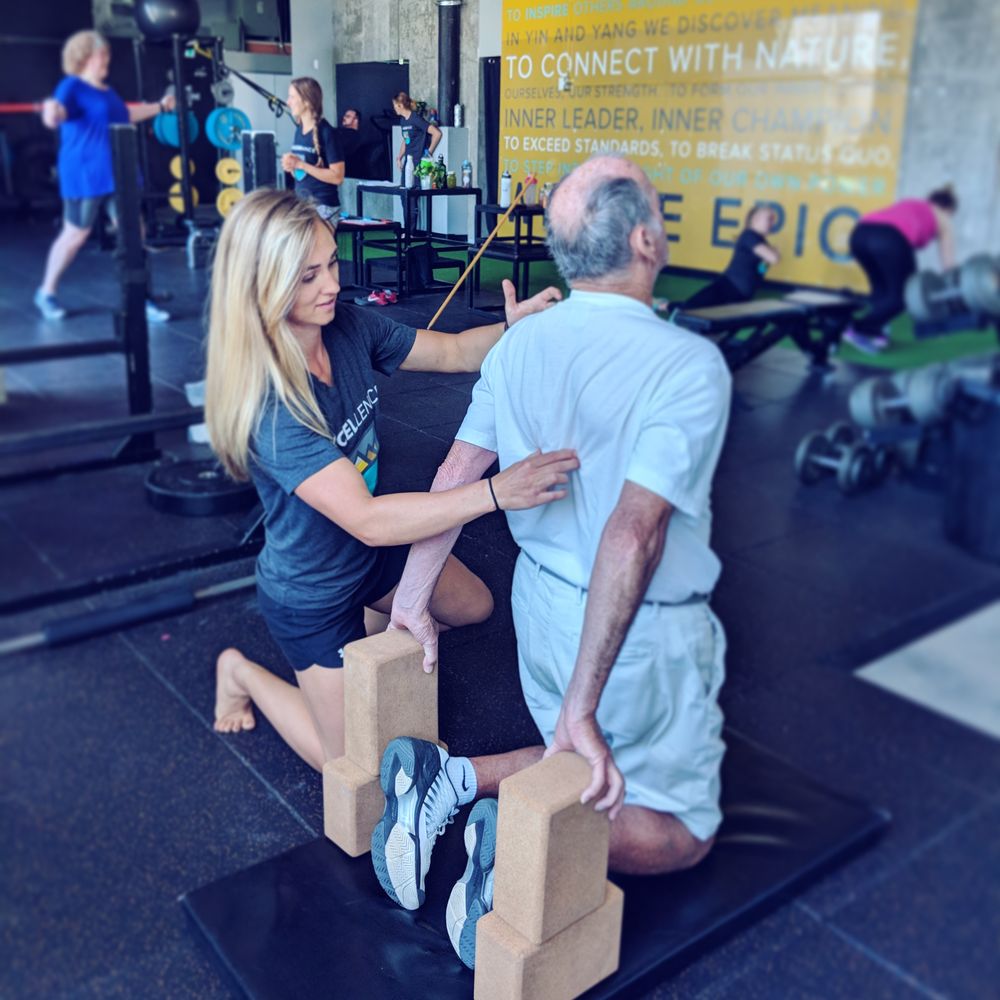
At Under The Bar, coaching allows me to:
- Spot early warning signs
- Adjust before problems escalate
- Keep training enjoyable
- Protect long-term progress
- Maintain consistency
This is how people train through winter without breaking down.
Why Under The Bar Is Built for Long Winter Training
Under The Bar is not a high-pressure environment. It’s designed for focused, intentional training.
I provide:
- Personalized programming
- Seasonal adjustments
- Clear communication
- Emphasis on sustainability
- Support during low-energy weeks
This approach keeps people training through Ottawa’s longest winter stretches.
How Avoiding Burnout in February Sets Up the Rest of the Year
Clients who manage burnout properly:
- Feel energized by March
- Maintain momentum into spring
- Avoid injury cycles
- Stay consistent year-round
- Trust their training system
February becomes a stabilizing month instead of a breaking point.
Final Thoughts
Burnout isn’t a failure — it’s a signal.
February is the month where listening to that signal matters most. With the right adjustments, winter training becomes sustainable, productive, and empowering rather than exhausting.
Strength isn’t just about pushing — it’s about pacing.
Call-to-Action
If winter training has started to feel draining or overwhelming, I’m here to help you train smarter and stay consistent without burning out.
📞 Call: (343) 800-LIFT
📧 Email: underthebarpro@gmail.com
Train with balance and purpose this February at Under The Bar, and let’s build strength that lasts — right here in Ottawa.