
Introduction
If you’ve been training for a while, you’ve likely felt it — the frustrating stall in progress where your lifts stop improving, your energy dips, and workouts start to feel repetitive. It’s called a plateau, and every athlete, beginner or advanced, faces it at some point.
The good news? Plateaus aren’t signs of failure. They’re signs of adaptation. Your body has caught up with your current training — and that means it’s ready for a new challenge.
At Under The Bar, we help lifters break through these sticking points safely, strategically, and confidently. Here’s how to turn your plateau into a launchpad for your next strength breakthrough.
Why Plateaus Happen
Before you can fix a plateau, it helps to understand why it occurs. Most training stalls come from one or more of these common factors:
- Lack of Variation: Doing the same exercises, reps, or loads for too long.
- Insufficient Recovery: Overtraining without enough rest, sleep, or nutrition.
- Poor Technique: Small breakdowns in form that limit progress under heavier loads.
- Under-Fueling: Not eating enough to support performance and recovery.
- Mental Fatigue: Losing focus or motivation from repetitive routines.
A plateau doesn’t mean you’re stuck forever — it means your body is asking for change.
1. Adjust Your Training Variables
The human body is remarkably adaptable. To spark progress again, you have to surprise it.
Try adjusting one or more of these variables in your program:
- Reps and Sets: If you’ve been lifting heavy for low reps, switch to moderate weights for higher reps (and vice versa).
- Tempo: Slow down your eccentrics (the lowering phase) to increase time under tension.
- Rest Periods: Shorten or lengthen rest to change how your body uses energy.
- Exercise Order: Start with a different movement pattern — it challenges your coordination and activation.
- Accessory Work: Strengthen weak links (core, grip, mobility) that might be holding you back.
Even subtle programming tweaks can wake up progress that’s been dormant.
2. Revisit Your Technique
Sometimes, the problem isn’t your program — it’s your form. Over time, even experienced lifters develop small compensations that limit strength and efficiency.
Getting back to fundamentals can instantly reignite your progress.
Focus on:
- Bracing your core before every lift.
- Maintaining consistent bar path and tempo.
- Controlling the descent (no bouncing or jerking).
- Filming your lifts occasionally to spot movement errors.
At Under The Bar, we often see breakthroughs happen the moment someone perfects their setup or alignment. One precise cue can add pounds to your lift — without changing anything else.
3. Prioritize Recovery Like Training
When progress slows, the instinct is to train harder. But sometimes, your body isn’t undertrained — it’s under-recovered.
True growth happens during rest, not during reps.
Focus on:
- Sleep: Aim for 7–9 quality hours per night.
- Active Recovery: Mobility drills, light cardio, or stretching between training days.
- Nutrition: Eat enough protein and calories to support muscle repair.
- Deload Weeks: Every 6–8 weeks, reduce training intensity to let your body reset.
You can’t pour from an empty tank. Recovery fills it back up — so you can lift stronger.
4. Set Micro Goals
Chasing big milestones — like a 300-pound squat or 400-pound deadlift — is exciting, but progress rarely happens in giant leaps. Instead, focus on micro goals that build momentum.
Examples:
- Add 5 pounds to one lift this week.
- Hit one more rep with clean form.
- Improve mobility in one target area.
- Nail consistent sleep for a full week.
Small wins compound fast. When you track and celebrate them, motivation naturally follows.
5. Train Your Weaknesses
Your plateau might not be about strength — it might be about balance.
If your squat has stalled, your core or hip stability could be the issue. If your deadlift feels weak, your hamstrings or grip might need extra work.
Add in accessory training to strengthen these areas:
- Core stability work (planks, carries, anti-rotation drills)
- Single-leg and unilateral training (lunges, split squats, single-leg RDLs)
- Grip and forearm training
- Shoulder mobility and scapular stability
Targeting weak links creates stronger chains — and better lifts.
6. Change Your Mindset
Progress isn’t always linear. Sometimes, the key to getting unstuck is patience and perspective.
Instead of chasing numbers every week, focus on showing up, moving well, and staying consistent.
Remember:
- A temporary plateau doesn’t erase past progress.
- Rest and rebuilding phases are part of growth.
- You’re always improving — even when the bar isn’t moving up yet.
At Under The Bar, we remind lifters that strength is a journey, not a sprint. The barbell teaches resilience as much as it teaches power.
7. Train with Support and Coaching
Breaking through a plateau often requires fresh eyes and expert guidance.
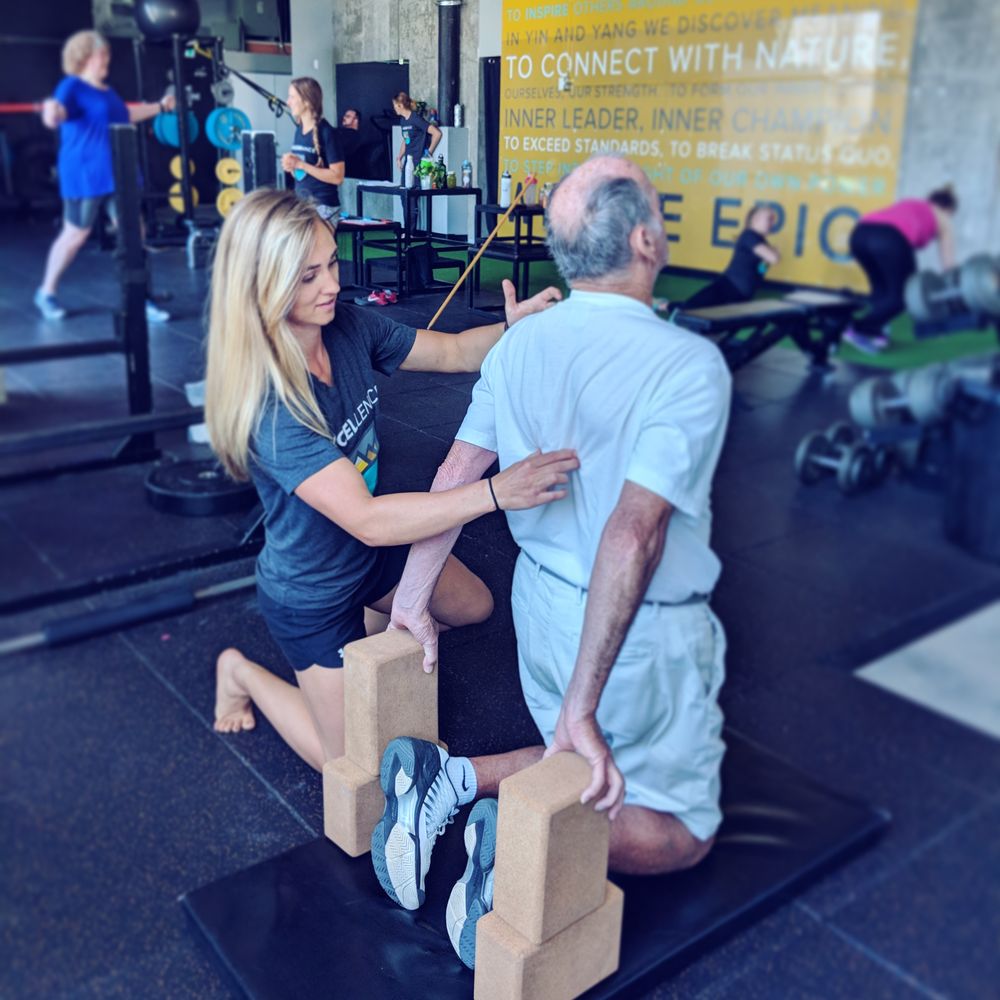
A qualified coach can identify sticking points, refine your technique, and adjust your program based on what your body needs most.
Our team at Under The Bar specializes in analyzing movement patterns, customizing training cycles, and helping lifters overcome both physical and mental barriers.
Sometimes, one tweak in your setup, load, or rest can completely restart progress.
Your Breakthrough Starts Now
A plateau doesn’t mean you’ve failed — it means you’ve grown enough to require a new challenge.
It’s an invitation to improve, refine, and evolve your approach.
When you keep showing up, adjusting intelligently, and trusting the process, the next level of strength always follows.
Call-to-Action
Ready to break through your training plateau?
Join us at Under The Bar and let our experienced coaches guide you toward your next personal best.
📞 Call: (343) 800-LIFT
📧 Email: underthebarpro@gmail.com
Don’t let a plateau hold you back — the next phase of your strength journey starts right here, right now, under the bar.