
Why Fall Changes the Game for Recovery & Nutrition
As the days shorten and the air turns crisp, your body’s needs shift. In Ottawa’s fall, lower daylight, cooler temperatures, and increased immune-stress all converge to affect how you recover from training. You may feel more fatigued, more prone to soreness, or more susceptible to cold/flu. That’s why nutrition, rest, and recovery strategies need adapting — especially if you’re maintaining or increasing your fitness load this season.
Your recovery becomes just as important as the workout itself. Below are PT-recommended tips to fuel, rest, and rebuild — so you can train smarter and stay consistent all autumn.
1. Nutrition Tips: Fall-Season Foods, Hydration & Immune Support
Embrace Seasonal, Nutrient-Dense Foods
Fall brings a rich harvest of foods that support recovery and immunity. Some excellent choices include:
- Pumpkin & winter squash: Rich in carotenoids and antioxidants that help reduce post-workout inflammation.
- Sweet potatoes, beets: Provide complex carbs for glycogen replenishment, plus vitamins and minerals to support muscle repair.
- Apples & cranberries: Contain polyphenols and fiber, which help with oxidative stress and gut health.
- Leafy greens & cruciferous veggies: Spinach, kale, Brussels sprouts — good sources of magnesium, vitamin C, and phytonutrients for inflammation control.
Mix these into soups, stews, roasted vegetable dishes, smoothies, or side salads.
Balance Carbs + Protein + Healthy Fats
- Post-workout: Aim for both carbohydrates and protein to replenish glycogen and support muscle synthesis. Experts suggest combining them within 30 min to 2 hours of training.
- Daily macros: A balanced diet of 45–65% carbs, 20–35% fats, and adequate protein supports energy, recovery, and immune function.
- Healthy fats: Avocado, olive oil, nuts, and fatty fish help absorb fat-soluble vitamins and reduce inflammation.
Hydration & Electrolytes
Even in cooler weather, hydration matters. Dehydration impairs recovery, cognition, and performance.
- Drink water throughout the day.
- Include hydrating foods (e.g. soups, broths, high-water fruits & vegetables).
- Add light electrolytes if you sweat significantly or train intensely (e.g. sodium, potassium, magnesium).
Immune Support
- Ensure micronutrients like vitamin D, zinc, and vitamin C are sufficient (especially as daylight and sun exposure drop).
- Use antioxidant-rich foods (berries, dark greens, beets) to buffer oxidative stress from workouts.
- Don’t neglect protein — low intake can compromise immunity and muscle repair.
2. Recovery Tips: Sleep, Soft Tissue, Rest Days & Beyond
Sleep Hygiene & Consistent Rest
- Aim for 7–9 hours of quality sleep per night — it’s when your body does heavy repair.
- Maintain consistent sleep schedules (wake & sleep times).
- Minimize screens, caffeine, and blue light before bed to improve sleep quality.
Soft Tissue & Mobility
- Foam rolling / massage: Use light foam rolling or myofascial work on calves, quads, glutes, back to reduce stiffness and improve circulation.
- Stretching / mobility work: Especially after training, hips, thoracic spine, ankles.
- Active recovery: Gentle walks, yoga, or mobility circuits on low-intensity days can help flush metabolic waste.
Scheduled Rest & Periodization
- Plan full rest days to allow muscles, joints, and the nervous system to recover. Overtraining happens when you outpace recovery.
- Alternate muscle groups or intensity levels rather than hitting the same muscles hard daily.
3. How a Trainer Can Integrate Recovery Into Your Program
- A PT designs balanced programs blending hard training and recovery phases in periodized cycles.
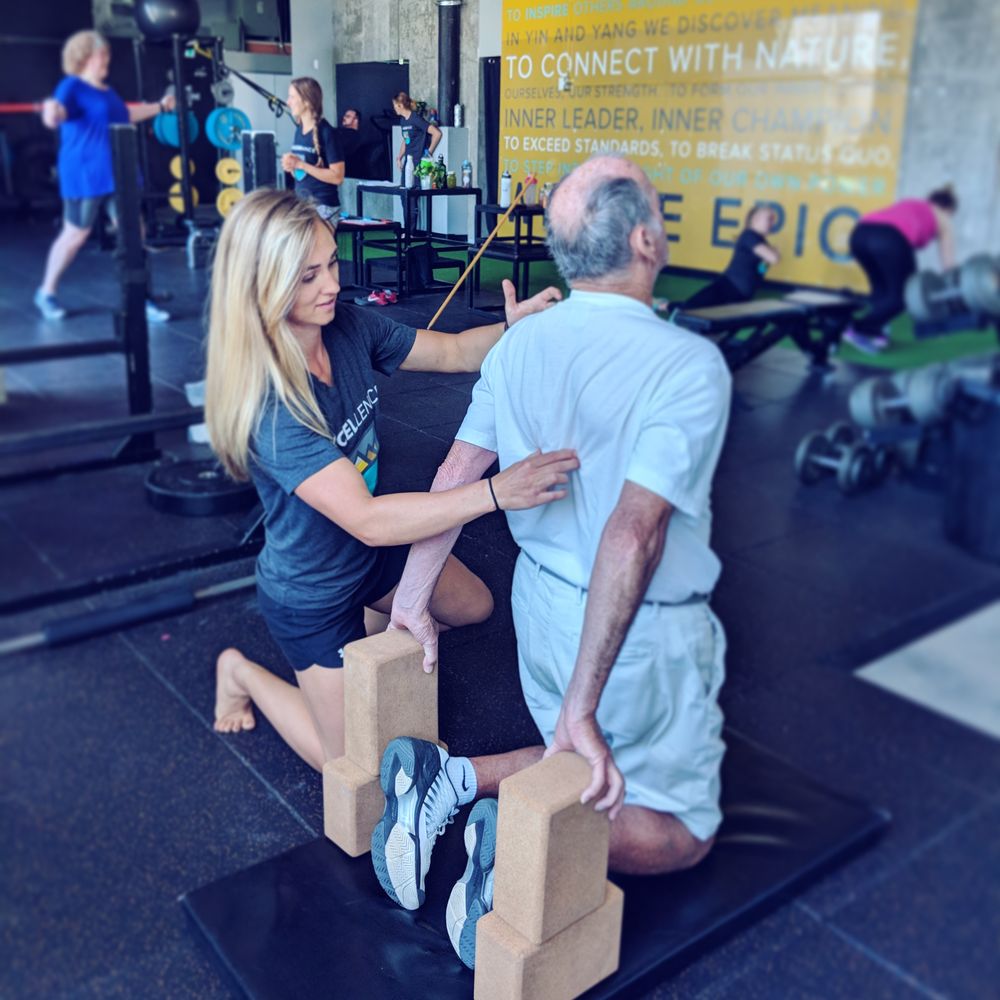
- Trainers can personalize recovery modalities (stretching, mobility drills, soft tissue) tailored to your body and goals.
- They adjust your volume, load, rest based on how your body responds — preventing overtraining.
- A trainer monitors your sleep trends, soreness, readiness and tweaks plans accordingly.
- They educate you on recovery tools (e.g. foam roller, compression, contrast baths) and when to use them.
Final Thoughts & Call to Action
Fall in Ottawa is a beautiful transition, and a prime time to refine how you fuel, rest, and recover. By embracing seasonal foods, prioritizing sleep, and weaving recovery into your plan, you’ll support your fitness goals more sustainably.
Not sure how to fuel & recover for optimal gains?
Alex at Under the Bar will coach you through both training and recovery planning, contact now to schedule your $75–100/hr session in St. Laurent or Trainyards.