Weather & Workout Consistency
As fall deepens in Ottawa, shifting temperatures, rain, wind, and shorter daylight hours make it harder to stick with your usual outdoor-only fitness plan. You may have loved morning runs in Gloucester parks or bootcamps in South Keys’ green spaces, but now, suddenly, cold wind, dark mornings or evenings, and soggy paths threaten your consistency.
That’s when a hybrid, weather-proof fitness plan becomes your best tool: a mix of outdoor cardio or movement when conditions allow, combined with indoor strength, mobility, or dynamic training when the weather turns. It keeps variety, motivation, and results intact. Let’s break down how to make the shift smoothly.
Hybrid Workouts: Suggestions for Combining Outdoor & Indoor
When done well, a hybrid routine gives you the best of both worlds, the freshness and mental uplift of outdoor workouts, and the control, equipment access, and consistency that indoor sessions provide.
Here are some ways to structure your workouts:
| Strategy | Example | Why It Works |
|---|---|---|
| Cardio outdoors, strength inside | Start with a 20-minute jog outside, then move indoors (gym or home) for resistance work (squats, presses, rows) | You get fresh air and cardiovascular stimulus, then you lock in strength work in a safe, dry environment |
| Interval bursts outside + indoor circuits | Do short sprints or hill repeats outdoors (5 × 30 s) then move inside for a circuit (push-ups, lunges, core) | Keeps variety, spikes your heart rate, and reduces exposure to bad weather |
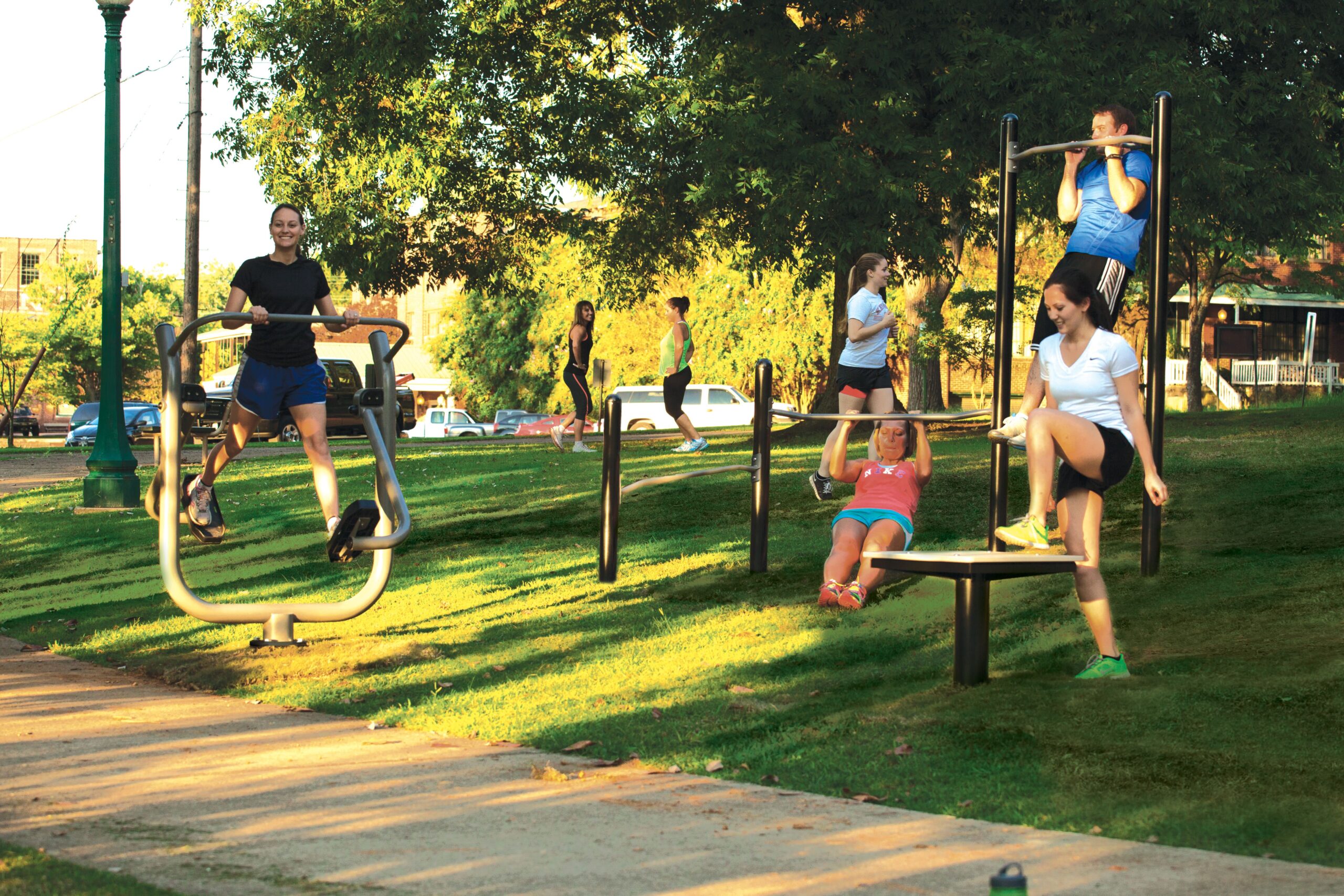
| Alternate days | Outdoor workout (run, walk, park circuit) on good weather days; indoor training (weights, mobility, HIIT) when it’s cold or wet | Prevents burnout, ensures you never skip workouts |
| “Weather buffer” planning | Schedule your more weather-vulnerable workouts early (e.g. runs) and leave strength, mobility, or low-impact indoors when forecasts worsen | Gives you flexibility and avoids cancellations |
This hybrid concept mirrors the fitness trend known as hybrid training, where combining modalities (cardio + resistance) leads to greater overall fitness, injury resilience, and adaptability.
Outdoor training also brings mental health benefits, exposure to nature, and variety, which help keep motivation high.
Gear & Safety Tips: Outdoor + Indoor Best Practices
Outdoor Tips (Fall / Ottawa Context)
- Layering: Use moisture-wicking base layers, a mid layer, and a windbreaker or shell.
- Reflective gear & lights: As daylight shortens, wear reflective vests, headlamps, or clip-on LEDs.
- Footwear: Trail shoes or shoes with better grip help when paths are wet or leaf-covered.
- Surface awareness: Watch for slippery leaves, hidden puddles, roots, or uneven ground.
- Warm-up longer: Cold muscles need more priming before intense effort.
Indoor Tips
- Ventilation: Open windows or use fans to avoid stale air, especially during strength or HIIT work.
- Space planning: Clear enough floor space for bodyweight moves or strips of mat for circuits.
- Equipment choice: Use dumbbells, resistance bands, kettlebells, or even your own bodyweight — minimal gear can go a long way.
- Transitions: Ease the shift from outdoor to indoor parts (e.g. towel off, change shoes/light jacket).
Hybrid Safety & Planning Tips
- Check forecast & plan inversions: Move indoor components to earlier if rain or cold is predicted.
- Hydrate & fuel: Even indoor workouts need hydration and fueling, especially after outdoor efforts.
- Recovery: Cold weather can stiffen muscles; prioritize stretching, foam rolling, and rest.
How a Trainer Can Design a Transitional Plan
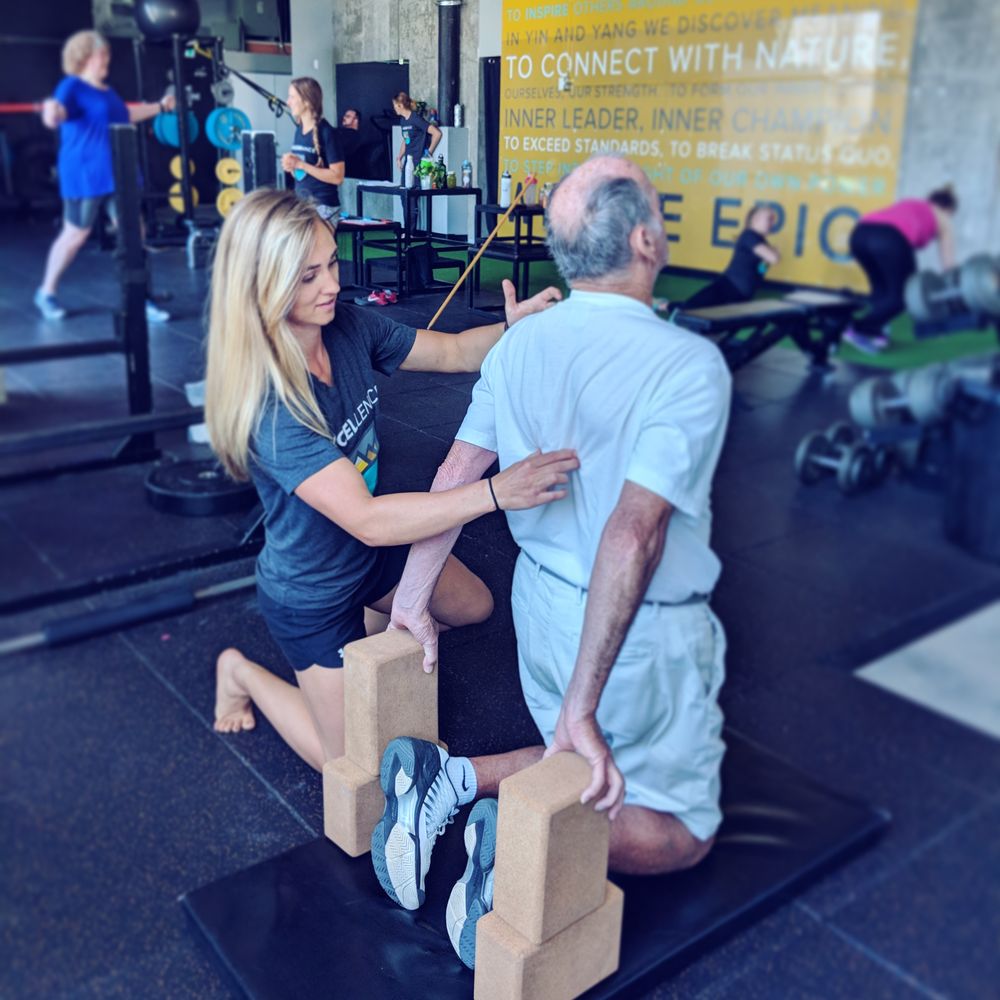
A skilled trainer (in Ottawa / local to you) can help you:
- Build a periodized hybrid program — mapping which days are outdoor vs indoor, adjusting for forecast, fatigue, and progression.
- Select appropriate exercises for each environment (what moves to do outdoors, what to save indoors).
- Ensure smooth progression and avoid overuse or conflicting loads (i.e. too much running + too much strength).
- Teach transitions and adjustments — how to shift your day’s plan if the weather changes mid-day.
- Monitor your form, volume, recovery — to prevent injury or burnout as conditions shift.
A well-designed plan ensures neither your running nor your strength sets you back, it integrates both intelligently.
Final Thoughts & Call to Action
Don’t let Ottawa’s fall weather derail your fitness momentum. By combining outdoor and indoor training thoughtfully, you keep variety, consistency, and results all season long.
Ready to make your fitness plan weather-proof?
Alex at Under the Bar can design a customized outdoor-indoor hybrid program for you in the South Keys / Alta Vista area.
Book your session now.